


Can peaches promote gastrointestinal motility?
Jan 25, 2025
Source: Cainiu Health

Dr. Shen Yonghua
Introduction
Under normal circumstances, peaches can promote gastrointestinal motility. Peaches contain abundant pectin and dietary fiber, which help increase gastrointestinal tract movement, thereby promoting digestion to a certain extent. Specifically, pectin helps maintain moisture in the intestines, promotes the growth of beneficial intestinal bacteria, and thus improves the intestinal environment, aiding digestion and excretion.
Under normal circumstances, peaches can promote gastrointestinal motility. The detailed analysis is as follows:
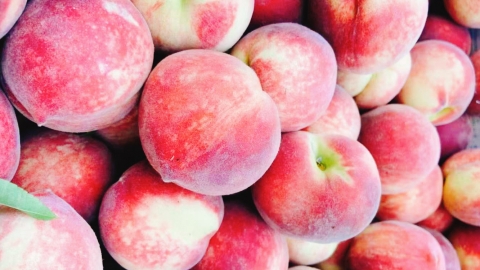
Peaches contain abundant pectin and dietary fiber, which help increase gastrointestinal motility and thereby promote digestion to a certain extent. Specifically, pectin helps maintain intestinal moisture, promotes the growth of beneficial intestinal bacteria, improves the intestinal environment, and enhances digestion and elimination. Dietary fiber, on the other hand, increases stool volume, making it easier to pass through the intestines, thus helping to prevent constipation and intestinal diseases.
It is important to consume peaches in moderation. Although peaches are beneficial to the gastrointestinal tract, excessive consumption may lead to some adverse effects. Too much dietary fiber can cause excessively rapid intestinal motility, preventing sufficient absorption of intestinal water and potentially irritating the intestinal mucosa, leading to gastrointestinal dysfunction and symptoms such as bloating, abdominal pain, and diarrhea. Individuals with weaker gastrointestinal function may experience an increased gastrointestinal burden if they consume excessive amounts of peaches.
In addition, peaches also contain relatively high levels of sugar, and excessive consumption may lead to elevated blood glucose levels. Therefore, individuals with high blood sugar or diabetes should consume peaches in moderation under the guidance of a physician.






