


What causes palpitations and hand tremors?
Feb 05, 2025
Source: Cainiu Health

Dr. Tian Hongbo
Introduction
In general, palpitations and hand tremors may be caused by emotional fluctuations, unhealthy lifestyle habits, hypoglycemia, hyperthyroidism, arrhythmia, and other factors. Symptomatic management such as general treatment and medication may be needed. It is recommended to develop good lifestyle habits in daily life, maintain regular作息 (作息 translates to作息 here means作息 time or rest patterns), engage in appropriate exercise, which can help enhance physical health and reduce the occurrence of diseases.
Under normal circumstances, palpitations and tremors may be caused by emotional fluctuations, unhealthy lifestyle habits, hypoglycemia, hyperthyroidism, arrhythmia, and other factors. Symptomatic treatment such as general treatment and medication may be needed. If discomfort occurs, it is recommended to seek medical attention promptly and undergo appropriate treatment under a doctor's guidance. Detailed analysis is as follows:
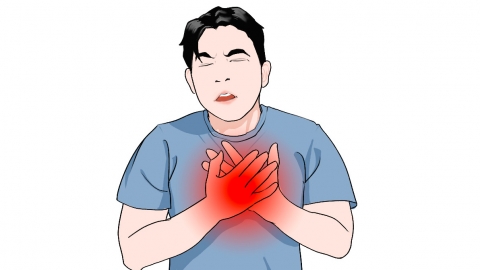
1. Emotional Fluctuations
Excessive nervousness, anxiety, excitement, fear, and other emotional states may lead to dysfunction of the autonomic nervous system, causing symptoms such as palpitations and tremors. These symptoms may also be accompanied by sweating, rapid breathing, and pallor. It is recommended to calm emotions through deep breathing, relaxation exercises, meditation, and other methods to help alleviate symptoms.
2. Unhealthy Lifestyle Habits
Excessive fatigue, staying up late, alcohol consumption, and other unhealthy lifestyle habits can affect the excitability of the nervous system, leading to nervous system dysfunction, which in turn causes symptoms such as palpitations and tremors. Patients may also experience fatigue, difficulty concentrating, and memory decline. It is recommended to adjust lifestyle habits, maintain a regular schedule, and avoid excessive fatigue and staying up late.
3. Hypoglycemia
Hypoglycemia is mainly caused by insufficient food intake, excessive blood sugar reduction, and other factors. Glucose is the primary energy source for the brain and body. When blood sugar levels are too low, the body releases adrenaline to raise blood sugar levels, which can cause rapid heartbeat and muscle tremors, resulting in palpitations and tremors. Patients may also experience symptoms such as sweating, hunger, and dizziness. It is recommended to promptly consume sugary foods or beverages and follow medical advice to use medications such as glucose sodium chloride injection, hydrocortisone tablets, and mannitol injection to alleviate symptoms.
4. Hyperthyroidism
Autoimmune disorders, genetic factors, environmental factors, and others may lead to hyperthyroidism. In this condition, excessive thyroid hormones cause the heart to beat faster and increase the sensitivity of the nervous system, leading to palpitations and tremors. Patients may also experience weight loss, excessive sweating, exophthalmos, and other symptoms. It is recommended to follow a doctor's instructions to treat with medications such as propylthiouracil tablets, carbimazole tablets, and metoprolol tartrate tablets.
5. Arrhythmia
Hypertension, heart disease, and other factors may cause arrhythmia. Arrhythmia leads to changes in heart rhythm, causing abnormal cardiac pumping function, which in turn results in palpitations and tremors. Patients often experience accompanying symptoms such as palpitations, chest tightness, and chest pain. It is recommended that patients follow medical advice to use medications such as quinidine sulfate tablets, procainamide hydrochloride tablets, verapamil hydrochloride tablets, and others for treatment.
It is recommended to develop good lifestyle habits in daily life, maintain a regular schedule, engage in appropriate exercise, which helps enhance physical fitness and reduce the occurrence of diseases.



