


Is it okay to eat thirty lotus seeds in a day?

Generally, for healthy adults, consuming thirty lotus seeds in a day is acceptable. However, this quantity is not suitable for children, elderly individuals, pregnant women, or those with chronic diseases and weaker digestive systems. Detailed explanations are as follows:
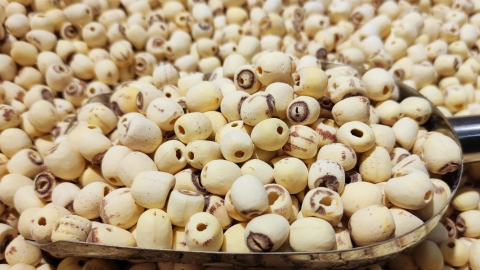
For healthy adults with good gastrointestinal function and no specific health restrictions, eating thirty lotus seeds per day is usually acceptable. This quantity falls within a generally acceptable range according to certain nutritional recommendations. Lotus seeds are rich in nutrients, such as protein, vitamins, and minerals, and moderate consumption is beneficial to health. Lotus seeds can help strengthen the spleen and stop diarrhea, benefit the kidneys and reduce seminal emission, and nourish the heart and calm the mind. Appropriate consumption may help improve related symptoms.
However, for certain specific groups such as children, elderly individuals, pregnant women, and people with chronic conditions like diabetes or hypertension, intake of lotus seeds should be more cautious. Consuming thirty lotus seeds in a day might exceed the appropriate range for these populations. Particularly for individuals with weak digestion, excessive consumption of lotus seeds may cause symptoms of indigestion such as bloating and diarrhea. Additionally, lotus seeds contain a certain amount of starch and protein, so diabetic patients should monitor their intake carefully to avoid affecting blood sugar control.
It is recommended that individuals adjust their lotus seed consumption according to their own health status and needs, ensuring that the quantity consumed meets nutritional requirements without compromising health.


