


Can patients with hyperthyroidism eat mung beans?
Feb 07, 2025
Source: Cainiu Health

Dr. Yang Ziqi
Introduction
Under normal circumstances, patients with hyperthyroidism can consume mung beans in moderation. While mung beans may offer certain benefits to hyperthyroid patients, excessive consumption may加重 the burden on the gastrointestinal system, causing discomfort such as bloating and abdominal pain. Therefore, it is recommended that hyperthyroid patients control their intake of mung beans and avoid excessive consumption. At the same time, it is best to consult a doctor or nutritionist for professional advice before consuming mung beans or other foods.
Generally speaking, hyperthyroidism, also known as thyrotoxicosis, allows patients to consume mung beans in moderation. The detailed explanation is as follows:
Mung beans are rich in protein, vitamins, and minerals. They have effects of clearing heat and detoxifying, and promoting diuresis and reducing edema. These properties can help alleviate symptoms caused by an increased metabolic rate in hyperthyroidism, while also providing essential nutritional support. Therefore, for patients with hyperthyroidism, if their condition is stable and they do not experience allergic reactions to mung beans, they can consume mung beans.
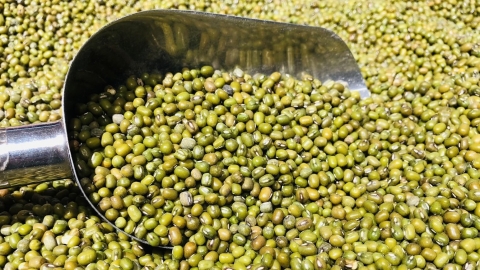
Although mung beans offer certain benefits to patients with hyperthyroidism, excessive consumption may加重 the gastrointestinal burden, leading to discomfort symptoms such as abdominal distension and pain. Therefore, it is recommended that patients with hyperthyroidism control their intake of mung beans and avoid excessive consumption. Additionally, it is advisable to consult a doctor or nutritionist for professional advice before consuming mung beans or other foods.
It is also recommended to maintain a balanced intake of various foods in daily life and avoid excessive consumption of any single food to maintain overall health. If allergic to mung beans, it is recommended to avoid consumption.



