Can patients with type 2 diabetes eat peaches?
Feb 07, 2025
Source: Cainiu Health

Dr. Liu Feng
Introduction
Type 2 diabetes patients can eat peaches. Peaches are rich in dietary fiber. Dietary fiber increases satiety and reduces the intake of other high-calorie foods. At the same time, it can also delay the digestion and absorption of carbohydrates, helping to control the rate of blood sugar rise. In addition, dietary fiber promotes intestinal motility, prevents constipation, and benefits the overall health of diabetes patients.
Generally, patients with type 2 diabetes can eat peaches. The detailed explanation is as follows:
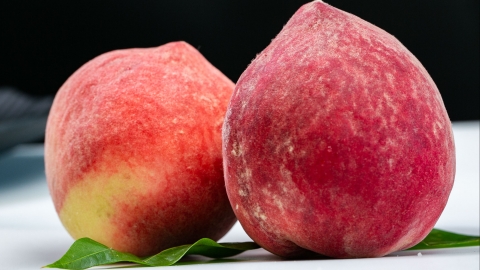
Peaches have a high water content, which helps maintain the body's fluid balance. Compared with some high-sugar fruits, such as bananas and lychees, peaches contain lower levels of sugar. This means that the carbohydrates in peaches are digested and absorbed more slowly after consumption, resulting in a relatively smaller increase in blood glucose levels. Therefore, peaches have a more stable impact on blood sugar and are suitable for patients with type 2 diabetes to consume when their blood sugar is well controlled.
Peaches are rich in dietary fiber. Dietary fiber can enhance the feeling of fullness and reduce the intake of high-calorie foods. At the same time, it can also delay the digestion and absorption of carbohydrates, helping to control the rate of blood sugar rise. In addition, dietary fiber promotes intestinal motility, prevents constipation, and benefits the overall health of diabetic patients.
It is recommended to eat peaches between meals when blood sugar levels are relatively low. Consuming a small amount of peaches at this time has minimal impact on blood glucose. Avoid eating peaches before bedtime or during periods when blood sugar tends to fluctuate. After eating peaches, diabetic patients should closely monitor their blood glucose levels to ensure they remain within a stable range.