


Can the flesh of a durian still be eaten if the skin is rotten?

When the durian peel is rotten, the pulp inside is generally not recommended for consumption. The analysis is as follows:
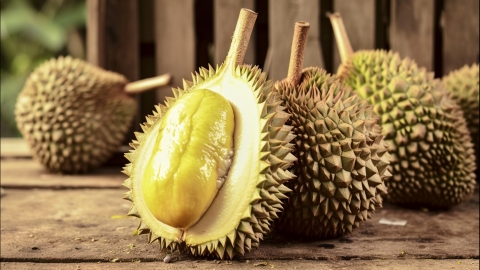
The durian peel serves to protect the internal pulp to some extent. Once the peel becomes rotten, it provides a pathway for bacteria and microorganisms to enter the pulp, potentially causing it to spoil. After durian rots, fungi such as Aspergillus and black mold may multiply significantly, and these fungi can secrete harmful substances like aflatoxins. Additionally, the decayed durian may produce other harmful substances. Since the pulp may already have been contaminated by bacteria or fungi, consumption may lead to bacterial food poisoning, causing symptoms such as nausea, vomiting, abdominal pain, and bloating.
To ensure food safety and health, it is recommended to carefully examine the appearance, odor, and taste of durian before consumption. If the durian peel is rotten or if the pulp exhibits an off-odor, discoloration, or other abnormalities, it should be discarded immediately and not consumed.
When purchasing and storing durian, care should be taken to select fresh, undamaged fruits and store them refrigerated or in a cool, well-ventilated area.


