


What causes excessive salivation?
Feb 24, 2025
Source: Cainiu Health

Dr. Liu Chao
Introduction
Under normal circumstances, saliva refers to the liquid secreted by the salivary glands. Excessive salivation may be caused by various factors such as the developmental stage in children, food or odor stimulation, medication side effects, indigestion, and periodontal disease. It is recommended that if excessive salivation persists, you should seek medical attention promptly, identify the underlying cause, and receive appropriate treatment under the guidance of a qualified physician.
Generally speaking, drool refers to saliva. Excessive saliva may be caused by various factors such as children's growth and development stages, food or odor stimulation, medication side effects, indigestion, periodontal disease, and others. A detailed analysis is as follows:
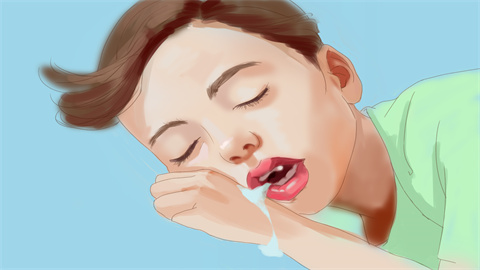
1. Children's Growth and Development Stage
Infants' and young children's salivary glands have not fully matured, and the neural reflexes controlling saliva secretion are also not fully developed. When babies start teething, the eruption of teeth stimulates the oral mucosa, triggering increased secretion from the salivary glands. However, infants and young children are unable to swallow the excess saliva promptly, leading to drooling. No special treatment is required; as children grow and their salivary glands develop fully, the excessive salivation will gradually decrease.
2. Food or Odor Stimulation
Food or odors can stimulate taste buds and olfactory receptors in the mouth, triggering salivary gland secretion through neural reflex pathways. This is a normal physiological response that helps digestion and protects oral health. It is a normal physiological reaction and generally nothing to be overly concerned about.
3. Medication Side Effects
Medication side effects might be accompanied by symptoms such as dizziness, drowsiness, and vertigo. Antidepressants, antipsychotics, and other medications may affect the balance of neurotransmitters, stimulating increased salivary gland secretion. It is important to communicate promptly with a doctor to adjust the medication regimen or dosage, and if necessary, switch medications.
4. Indigestion
Indigestion may be caused by overeating or irregular eating habits. Indigestion can lead to excessive gastric acid secretion, with acid reflux into the mouth, which stimulates increased salivary gland secretion. This is often accompanied by symptoms such as nausea, acid regurgitation, and stomach bloating. As directed by a physician, medications such as omeprazole enteric-coated capsules, rabeprazole sodium enteric-coated tablets, and hydrotalcite chewable tablets may be used to suppress gastric acid secretion.
5. Periodontal Disease
Periodontal disease may be caused by inflammation and infection, which can irritate the oral mucosa and salivary glands, leading to increased inflammatory exudates and bacterial proliferation in the mouth, thereby stimulating increased salivary gland secretion. Symptoms may include oral pain, bleeding gums, and bad breath. It is recommended to use medications such as metronidazole chlorhexidine lotion, ethacridine lactate solution, and cytidine iodine tablets under the guidance of a physician to alleviate symptoms.
If excessive salivation persists, it is recommended to seek medical attention promptly, identify the underlying cause, and undergo appropriate treatment under the guidance of a qualified physician.





