


Can nonsteroidal anti-inflammatory drugs (NSAIDs) treat heel pain?
Feb 26, 2025
Source: Cainiu Health

Dr. Chen Jian
Introduction
The heel refers to the back part of the foot. If heel pain is caused by acute or chronic inflammation, nonsteroidal anti-inflammatory drugs (NSAIDs) can be effective for treatment; however, if the pain is caused by other factors, NSAIDs may not be as effective. If symptoms do not improve within a short period and the pain continues to worsen, significantly affecting normal work and daily life, it is recommended to seek medical attention promptly.
The heel refers to the back part of the foot. If heel pain is caused by acute or chronic inflammation, nonsteroidal anti-inflammatory drugs (NSAIDs) can be effective for treatment; however, if the pain is caused by other factors, NSAIDs may not be as effective. If symptoms do not improve within a short period and the pain continues to worsen, significantly affecting normal work and daily life, it is recommended to seek medical attention promptly. Detailed analysis is as follows:
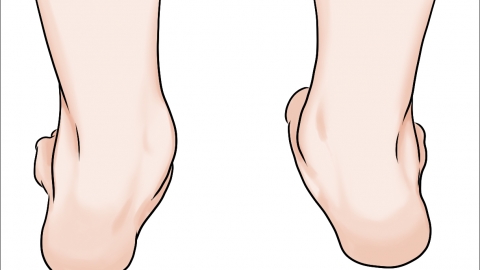
Nonsteroidal anti-inflammatory drugs, commonly known as NSAIDs, are a class of steroid-free medications that can relieve pain, swelling, and inflammation and are widely used in clinical practice. If heel pain is caused by acute or chronic inflammation—for example, conditions such as plantar fasciitis or Achilles tendonitis—NSAIDs can help reduce pain and inflammation and promote recovery.
If heel pain is caused by other reasons such as fractures or nerve pain, NSAIDs may not effectively relieve the discomfort and could even mask symptoms, delaying accurate diagnosis and treatment.
In addition to medication, patients can also use rest, ice packs, hot compresses, physical therapy, shock wave therapy, topical medications, and traditional Chinese medicine fumigation and washing as adjunctive treatments for heel pain.









