


Can calcium gluconate treat urticarial erythema?

Calcium gluconate is commonly used as an adjunctive treatment for urticarial erythema, but it should not be used as the sole therapeutic agent. If any physical discomfort occurs, it is recommended to seek medical attention at a hospital promptly and follow the healthcare professional's instructions for treatment.
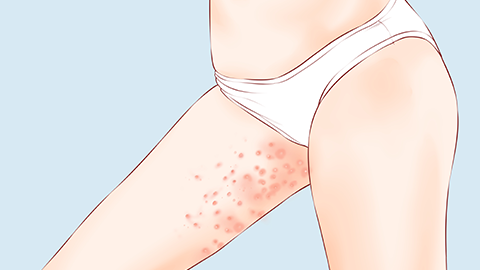
Calcium gluconate can increase the density of capillaries, reduce vascular permeability, and thereby alleviate local symptoms such as erythema and edema. After calcium ions enter the body, they can stabilize the cell membrane of mast cells, reducing the release of histamine and various inflammatory mediators from mast cells. This helps relieve symptoms such as erythema caused by urticaria. During acute urticaria attacks, calcium gluconate injection can rapidly exert its effects through intravenous injection or infusion, alleviating symptoms such as erythema and wheals.
For patients with chronic urticaria or more severe conditions, calcium gluconate alone may not achieve the desired therapeutic effect. In such cases, comprehensive treatment combining corticosteroids, immunosuppressants, or other more targeted medications is necessary. Calcium gluconate primarily exerts its effects through its anti-allergic mechanism and may have limited efficacy for urticaria caused by non-allergic factors.
Patients should use medications under the guidance of a physician, maintain healthy lifestyle habits, and avoid known allergens, which can also help reduce the frequency of urticaria episodes.


