


Cerebellar injury affects which abilities?
Mar 12, 2025
Source: Cainiu Health

Dr. Lv Zhiqin
Introduction
Under normal circumstances, cerebellar damage can affect abilities such as motor coordination, balance, muscle tone control, language expression, and cognitive function. The cerebellum is an important organ for regulating and refining movements. After injury, patients may exhibit明显的 motor incoordination, such as clumsy movements, awkwardness in the hands and feet, and even difficulty performing simple daily activities.
Generally, cerebellar damage can affect various abilities, including motor coordination, balance, muscle tone control, language expression, and cognitive function. The specific impacts are as follows:
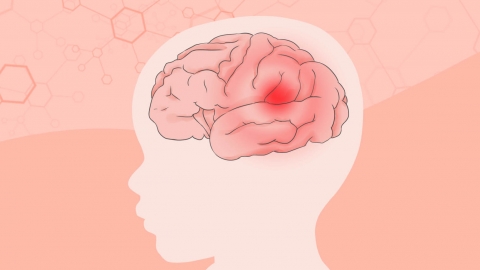
1. Motor Coordination
The cerebellum is a vital organ for regulating and refining movements. After injury, patients may experience significant motor incoordination, such as clumsy movements, awkward limb control, and even difficulty performing simple daily activities. They may sway while walking and be unable to maintain stable postural control, increasing the risk of falls.
2. Balance
The cerebellum plays a crucial role in maintaining body balance. When damaged, the patient's sense of balance can be significantly impaired. They may feel unsteady while standing, lose balance easily while walking, or even experience swaying sensations while at rest. This not only affects daily life but may also lead to falls and increase the risk of injury.
3. Muscle Tone Control
Cerebellar nerve damage can also affect muscle tone, reducing the ability to control muscles. Patients may experience either muscle weakness or excessive tension, manifesting as stiffness or flaccidity. These changes can impair motor function, making any form of physical activity difficult.
4. Language Expression
The cerebellum is not only involved in motor coordination but also contributes to speech fluency. Damage may lead to problems such as slurred speech and difficulty articulating words, which can impair communication. Such language disorders may cause frustration for the patient in social situations, further affecting self-confidence and mental health.
5. Cognitive Function
Cerebellar damage may also affect cognitive abilities, including attention, memory, and learning capacity. Patients may find information processing slower, have difficulty concentrating, or struggle to remember new information. These cognitive impairments can not only interfere with daily life but also negatively impact work and academic performance.
Timely diagnosis and rehabilitation therapy are extremely important for patients with cerebellar damage.



