


Can eggs that float in water still be eaten?

An egg may float in water, but if it is only less fresh without being spoiled, it is still edible. However, if there are signs of spoilage such as an off odor or discoloration, it should not be consumed. Detailed explanation is as follows:
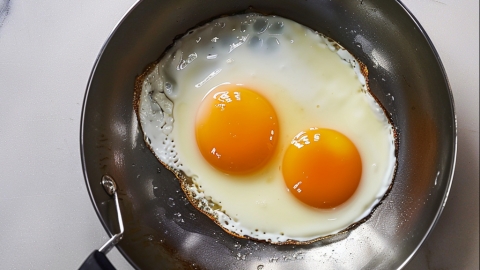
When an egg has been stored for a long time and its freshness has decreased, its specific gravity may decrease due to internal moisture evaporation and gas accumulation, causing the egg to float on water. If the eggshell remains intact, the yolk and egg white appear normal in color and texture after opening, and there is no noticeable unpleasant odor, the egg is generally considered not spoiled and can still be safely consumed after thorough cooking.
However, if the egg floats in water and is accompanied by a cracked shell, a broken yolk, thin egg white, abnormal color, or a strong unpleasant odor, these are clear signs of spoilage. Spoiled eggs may contain large amounts of bacteria, mold, and their toxins, which can cause food poisoning with symptoms such as nausea, vomiting, and diarrhea. In severe cases, it can even be life-threatening. Therefore, under such circumstances, the eggs must not be consumed and should be discarded immediately.
When purchasing and storing eggs, check the production date and shelf life, try to buy fresh eggs, and store them in a cool, dry place, avoiding direct sunlight and high-temperature environments to reduce the risk of spoilage.


