


Can oranges and watermelons be eaten together?
Mar 14, 2025
Source: Cainiu Health

Dr. Yu Yongchao
Introduction
Oranges and watermelons can be consumed together, but it is important to control the intake amount. Consuming oranges and watermelons together does not produce harmful chemical reactions or affect each other's nutritional value. When consumed together, they can provide the body with various vitamins and minerals, helping to maintain normal physiological functions. The sweet and sour taste of oranges combines well with the crisp, sweet, and juicy flavor of watermelons.
Generally speaking, oranges and watermelons can be consumed together, but it is important to control the intake amount. A detailed analysis is as follows:
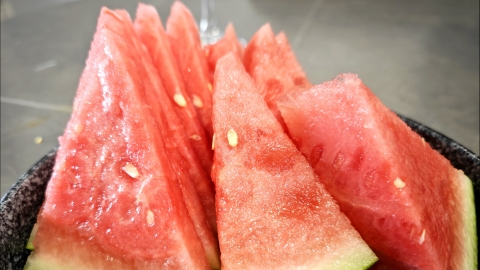
Oranges are rich in vitamin C, citric acid, and various minerals such as potassium and calcium. These components help enhance immunity, promote digestion, and maintain cardiovascular health. Watermelon, on the other hand, is known for its high water content, low calories, and rich supply of vitamins A and C, as well as antioxidants, which help cool the body, relieve summer heat, promote diuresis to reduce swelling, and benefit skin health.
Consuming oranges and watermelon together does not produce harmful chemical reactions or affect each other's nutritional value. When consumed together, they can provide the body with various vitamins and minerals, helping maintain normal physiological functions. Combining the sweet-tart flavor of oranges with the juicy sweetness of watermelon can create delicious fruit platters or juices, satisfying taste preferences while offering comprehensive nutrition.
However, it is important to consume them in moderation. Both oranges and watermelons contain natural sugars, and excessive consumption may lead to elevated blood sugar levels or weight gain. Maintaining a balanced diet and consuming various fruits in appropriate amounts in daily meals helps sustain good health.
References:
[1] Yuan Yaxiang. Oranges are nutritious but should be consumed in moderation [J]. Service Science and Technology, 2000, (02):47.
[2] Zhao Aiqin. Are there health benefits to eating watermelon in summer? [J]. Health and Beauty, 2021, (08):94-95.


