


What is the reason for the darker color of venous blood?

In general, the dark color of venous blood may be related to physiological phenomena, anemia, chronic obstructive pulmonary disease, diabetes mellitus, heart failure, and other conditions. Symptomatic management through general treatment or medication may be necessary. If discomfort occurs, prompt medical consultation is recommended. Detailed explanations are as follows:
1. Physiological Phenomenon
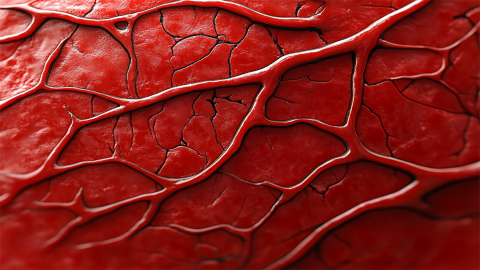
Venous blood contains relatively lower oxygen levels and higher carbon dioxide levels. Hemoglobin is less oxygenated and mainly exists in the form of deoxyhemoglobin, giving venous blood its dark red appearance. This is a normal physiological phenomenon and generally does not require concern.
2. Anemia
Anemia is a condition caused by a decrease in red blood cell count or hemoglobin concentration, commonly seen in iron deficiency anemia, aplastic anemia, and hemolytic anemia. In such cases, the proportion of deoxyhemoglobin increases, making the venous blood appear darker. It is recommended to follow medical advice and use medications such as ferrous sulfate tablets, mecobalamin tablets, and folic acid tablets to alleviate symptoms.
3. Chronic Obstructive Pulmonary Disease (COPD)
COPD is primarily caused by long-term smoking, air pollution, and other factors. Oxygen inhalation and gas exchange within the alveoli are affected, leading to decreased blood oxygen saturation. When oxygen supply is insufficient, hemoglobin cannot be fully saturated, resulting in increased levels of deoxyhemoglobin in the blood and a darker blood color. This condition is often accompanied by symptoms such as dyspnea and cyanosis. It is recommended to follow medical advice and use medications such as salbutamol aerosol, formoterol fumarate powder inhaler, and amoxicillin-clavulanate potassium tablets for treatment.
4. Diabetes Mellitus
Diabetes mellitus mainly results from defects in insulin secretion or impaired biological function, leading to elevated blood glucose levels. This may cause electrolyte disturbances and acid-base imbalance, which can affect hemoglobin's ability to bind oxygen, making venous blood appear darker. Symptoms may include polydipsia, polyuria, weight loss, etc. It is recommended to follow medical advice and use medications such as acarbose capsules, glimepiride tablets, and gliquidone tablets to control blood glucose levels.
5. Heart Failure
Heart disease or excessive cardiac load may impair the pumping function of the heart, leading to heart failure. In this condition, impaired cardiac pumping function causes blood to stagnate in the venous system. Oxygenated hemoglobin is consumed but not promptly replenished, increasing the proportion of deoxyhemoglobin and darkening the venous blood color. This is often accompanied by symptoms such as chest pain, edema, and tachypnea. It is recommended to follow medical guidance and use medications such as furosemide tablets, benazepril tablets, and metoprolol sustained-release tablets for treatment.
In daily life, maintaining healthy lifestyle habits such as regular sleep patterns, balanced nutrition, and moderate exercise can help reduce the occurrence of diseases.
References
[1] Zhao Xiaoming. Why Is My Blood Black? [J]. Family Medicine, 2022, (05): 63.
[2] Huang Pingsheng. Repeated Observation of Arterial and Venous Blood Experiment [J]. Biology Teaching, 2010, 35(02): 38-39.


