


What causes intermittent cramping abdominal pain?
Mar 18, 2025
Source: Cainiu Health

Dr. Yang Ziqi
Introduction
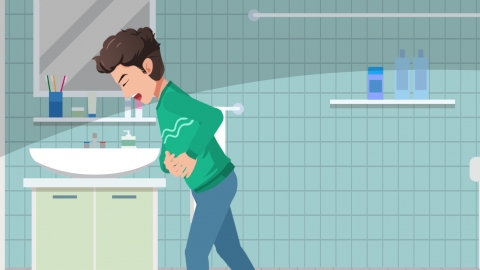
Stomach pain refers to abdominal pain. In general, intermittent abdominal cramps may be caused by improper diet, vigorous exercise, uterine contractions during the menstrual cycle, irritable bowel syndrome, gallstones, or other reasons. Symptomatic management such as general treatment and medication may be needed. If symptoms are severe, prompt medical attention is recommended, and treatment should be followed as directed by a physician.
Stomach pain refers to abdominal pain. In general, intermittent abdominal cramping may be caused by improper diet, strenuous exercise, uterine contractions during the menstrual cycle, irritable bowel syndrome, cholelithiasis, and other factors. Symptomatic management usually involves general treatment and medication. If symptoms are severe, timely medical consultation is recommended, and treatment should follow medical advice. A detailed analysis is as follows:
1. Improper Diet
Consumption of excessively cold, greasy, or spicy foods may irritate the gastrointestinal tract, causing gastrointestinal spasms and resulting in intermittent cramping, which may be accompanied by symptoms such as nausea, vomiting, and diarrhea. It is recommended to adjust the diet and avoid intake of irritating foods. Additionally, applying heat to the abdomen can help relieve gastrointestinal spasms.
2. Strenuous Exercise
After strenuous exercise, inhaling large amounts of cold air or experiencing vigorous shaking of the gastrointestinal tract may also cause intermittent abdominal pain, possibly accompanied by rapid breathing and increased heart rate. It is recommended to stop exercising and rest appropriately; drinking warm water may help warm the gastrointestinal tract.
3. Uterine Contractions During the Menstrual Cycle
During menstruation or ovulation, the uterus undergoes periodic contractions to prepare for or expel the endometrium, which may cause intermittent lower abdominal pain, possibly accompanied by symptoms such as headache, nausea, and back pain. Pain can usually be relieved through daily measures such as applying heat and resting.
4. Irritable Bowel Syndrome
An overreaction of the intestines to certain stimuli, such as diet or stress, may lead to irritable bowel syndrome, causing abnormal intestinal motility and resulting in intermittent abdominal cramps, which may be accompanied by bloating, alternating constipation, or diarrhea. It is recommended to use medications such as pinaverium bromide tablets, anisodamine tablets, or otilonium bromide tablets under medical guidance to relieve intestinal spasms.
5. Cholelithiasis
Imbalances in the proportions of components such as cholesterol and bile pigments in bile may lead to cholelithiasis. Gallstones blocking the gallbladder or bile duct outlets can obstruct bile excretion, causing strong contractions of the gallbladder or bile ducts, resulting in severe intermittent colicky pain, possibly accompanied by symptoms such as nausea, vomiting, and tenderness in the upper right abdomen. Surgical treatments such as cholecystectomy or bile duct exploration for stone removal are recommended under medical supervision.
References
[1] Deqing Zhuoga, Sofia Dili Xiti, Tu Lei. Research Progress on the Regulatory Mechanisms of Visceral Sensitivity in Irritable Bowel Syndrome [J]. Journal of Clinical Gastroenterology, 2025, 37(01): 55-58.



