What causes pimples on the scalp?
Mar 18, 2025
Source: Cainiu Health

Dr. Liu Wenmin
Introduction
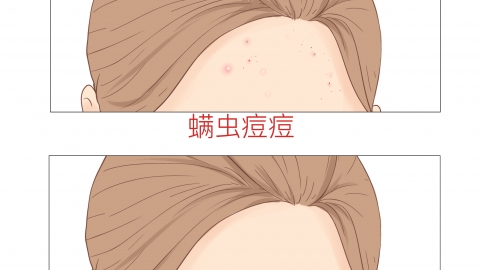
Pimples refer to acne. Generally, acne on the scalp may be caused by improper cleansing, poor diet and lifestyle habits, scalp allergies, folliculitis, seborrheic dermatitis, and other factors. In daily life, it is recommended to keep the scalp clean and dry, and ensure adequate sleep, which can help prevent the occurrence of acne on the scalp.
Acne refers to acne vulgaris. Generally, acne on the scalp may be caused by improper cleansing, poor diet and lifestyle habits, scalp allergies, folliculitis, seborrheic dermatitis, and other factors. Symptomatic treatment through general therapy and medication may be necessary. If discomfort occurs, it is recommended to seek medical treatment at a hospital promptly. Detailed analysis is as follows:
1. Improper Cleansing
Failure to maintain scalp hygiene, prolonged periods without washing hair, or inadequate cleansing during shampooing can lead to the accumulation of oil, dirt, and bacteria on the scalp, which may trigger acne and potentially cause symptoms such as scalp itching and increased dandruff. It is recommended to maintain scalp cleanliness, regularly use a mild shampoo, and avoid using excessively oily or irritating hair products.
2. Poor Diet and Lifestyle Habits
Consumption of oily, spicy, or sweet foods, along with irregular sleep patterns, staying up late, and excessive fatigue, may stimulate the scalp follicles to overproduce oil, leading to acne. This may also be accompanied by excessive oil secretion on the face or other areas and increased acne breakouts. It is recommended to adjust dietary habits, reduce intake of oily, spicy, and sweet foods, and consume more fresh vegetables and fruits.
3. Scalp Allergy
Allergic reactions to certain chemical components or external irritants can cause inflammatory changes in the scalp skin when allergens come into contact with it, resulting in acne or pimples. Symptoms may include scalp itching, redness, swelling, and pain. It is recommended to use antiallergic medications such as loratadine tablets, cetirizine tablets, or promethazine tablets under a doctor's guidance.
4. Folliculitis
Folliculitis typically occurs after injury or scratching of the scalp. Staphylococcus aureus infection may lead to inflammation of the hair follicles, causing redness, pain, and swelling around the follicles, forming acne-like lesions. It may also be accompanied by fever and swollen lymph nodes. It is recommended to use medications such as mupirocin ointment, amoxicillin capsules, or fusidic acid cream under a doctor's guidance.
5. Seborrheic Dermatitis
Multiple factors, including immune dysfunction, neuropsychiatric factors, and dietary habits, may contribute to seborrheic dermatitis. Increased oil secretion on the scalp creates a favorable environment for microorganisms like Malassezia, leading to scalp inflammation and acne. Seborrheic dermatitis commonly occurs in areas with active sebaceous glands and may also present with symptoms such as oily and itchy scalp. It is recommended to use medications such as clobetasol propionate cream, betamethasone valerate cream, or halometasone cream as directed by a physician to alleviate symptoms.
In daily life, it is advisable to maintain a clean and dry scalp, ensure adequate sleep, and take preventive measures to avoid acne development on the scalp.
References
[1] Li XY, Zhang L. Efficacy of fusidic acid cream combined with isotretinoin capsules in the treatment of bacterial folliculitis and its impact on inflammatory markers. Journal of Clinical Medical Engineering, 2024, 31(12): 1531-1532.
[2] Xiong X, Du YJ, Kong JY. Research progress on oily scalp seborrheic dermatitis in the past five years. Chinese Medicine Modern Distance Education of China, 2025, 23(01): 181-183.