


Which Three Types of Tea Are Most Feared by Thyroid Nodules?

Generally speaking, there is no specific type of tea that individuals with thyroid nodules should particularly avoid. However, teas such as rose tea, dandelion tea, prunella vulgaris tea, green tea, and wolfberry tea may offer certain benefits for thyroid nodules. Detailed explanations are as follows:
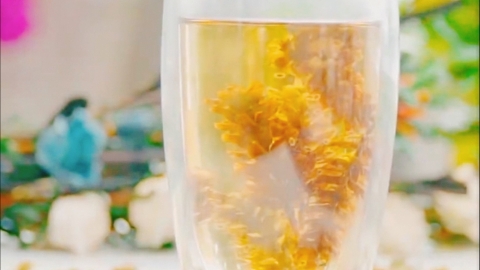
1. Rose Tea
Rose flowers have the effect of soothing the liver and regulating qi (vital energy). The formation of thyroid nodules is associated with emotional distress and liver qi stagnation. Rose tea can help regulate emotions, relieve liver qi stagnation, improve the circulation of qi and blood, and reduce the risk of nodule enlargement caused by qi stagnation and blood stasis.
2. Dandelion Tea
Dandelion has functions of clearing heat, detoxifying, reducing swelling, and dispersing nodules. For thyroid nodules caused by inflammatory stimuli, dandelion tea can help eliminate internal heat toxins, alleviate inflammatory responses, and potentially inhibit nodule growth.
3. Prunella Vulgaris Tea
Prunella vulgaris can clear liver heat and reduce swelling while dispersing nodules. From the perspective of traditional Chinese medicine, thyroid nodules are often related to excessive liver fire. Prunella vulgaris tea can clear excessive liver heat, resolve nodules, and help alleviate symptoms of thyroid nodules.
4. Green Tea
Green tea contains abundant polyphenols, which have antioxidant, anti-inflammatory, and immune-regulating properties. Tea polyphenols can regulate the metabolism of thyroid cells, inhibit abnormal proliferation of these cells, and play a positive role in preventing the growth and potential malignancy of thyroid nodules.
5. Wolfberry Tea
Wolfberry has nourishing effects on the liver and kidneys. Liver-kidney yin deficiency may affect the body's internal homeostasis and subsequently impact thyroid function. Wolfberry tea helps nourish the liver and kidneys, regulate the body's yin-yang balance, provide a favorable internal environment for normal thyroid function, and support nodule stability.
In daily life, it is important to maintain a reasonable iodine intake, as both excessive and insufficient iodine intake can affect thyroid function and increase the risk of developing thyroid nodules. Individuals should consume iodine-containing foods, such as kelp and nori, according to their specific conditions to avoid extreme iodine intake levels.


