Why shouldn't eggs be boiled for too long?
Mar 19, 2025
Source: Cainiu Health

Dr. Yang Ziqi
Introduction
The cooking time for boiled eggs should not be too long, as excessive boiling may cause protein denaturation, deterioration in texture, nutrient loss, formation of sulfides, and increased digestive burden. If you have any concerns, it is recommended to consult a healthcare professional. The optimal boiling time for eggs is 8 to 10 minutes. This ensures the eggs are fully cooked while maintaining their tender texture and nutritional value.
Boiling eggs for too long is not advisable because prolonged boiling may lead to protein denaturation, deterioration in texture, nutrient loss, formation of sulfides, and increased digestive burden. If concerns arise, it is recommended to consult healthcare professionals. Detailed explanations are as follows:
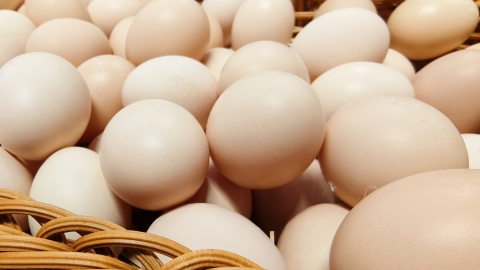
1. Protein Denaturation: Extended boiling causes excessive protein denaturation, making the egg white and yolk dry and hard, thereby losing their original smooth and tender texture. This over-denatured protein structure is difficult for the human body to digest and absorb.
2. Deterioration in Texture: Overcooked egg whites become coarse and rubbery, while the yolks turn dry and chalky. This texture not only diminishes the eating experience but may also make the eggs difficult to chew and swallow.
3. Nutrient Loss: Prolonged exposure to high temperatures during boiling can destroy certain vitamins and minerals in eggs, especially water-soluble vitamins such as the B-complex vitamins. These nutrients are prone to leaching into the water, thereby reducing the overall nutritional value.
4. Formation of Sulfides: Extended boiling causes iron ions in the yolk to react with sulfides in the egg white, forming ferrous sulfide. This compound not only affects the color and taste of the egg but may also have adverse health effects.
5. Increased Digestive Burden: Overcooked eggs are harder to digest because their protein structures become tightly compacted and less easily broken down. Individuals with weaker digestion may experience increased gastrointestinal strain and discomfort after consuming overcooked eggs.
Generally, the optimal boiling time for eggs is 8 to 10 minutes. This ensures that the eggs are fully cooked while maintaining their tender texture and nutritional value. If boiling more eggs or larger-sized eggs, the boiling time can be slightly extended but should not exceed 15 minutes. Additionally, boiled eggs should be promptly removed and soaked in cold water to prevent residual heat from further cooking them.
References
[1] Zhou Ziqian. The Science of Boiling Eggs [J]. Invention and Innovation (For Junior High Students), 2024, (04): 24-28.
[2] Yun Wuxin. Everyone Knows How to Boil Eggs [J]. Middle School Encyclopedia, 2018, (09): 33-34.