


What causes dizziness immediately after sitting down?
Mar 19, 2025
Source: Cainiu Health

Dr. Lv Zhiqin
Introduction
In general, dizziness upon sitting down may be caused by incorrect posture, postural changes, anemia, benign paroxysmal positional vertigo (BPPV), cervical spondylosis, or other factors. Symptomatic management may involve general treatment measures and medication. It is recommended to sit down slowly, avoiding sudden movements that may cause abrupt blood pressure changes and subsequent dizziness, thereby allowing sufficient time for the body to adjust.
Generally, dizziness upon sitting down may be caused by incorrect posture, postural changes, anemia, benign paroxysmal positional vertigo, or cervical spondylosis. Symptomatic management such as general treatment or medication may be needed. If discomfort occurs, timely medical consultation is recommended for corresponding treatment under a physician's guidance. Detailed explanations are as follows:
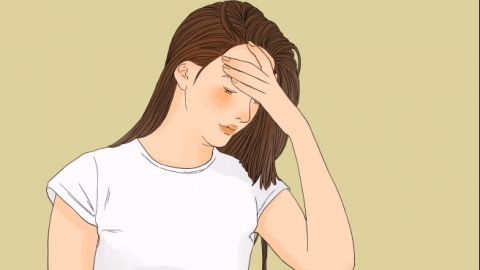
1. Incorrect Posture
Maintaining poor sitting posture for extended periods, such as bending the head forward or slouching, may lead to neck muscle tension and increased cervical spine pressure, thereby affecting cerebral blood supply and causing dizziness, possibly accompanied by symptoms such as neck stiffness and shoulder or back pain. It is recommended to regularly perform neck-relaxing exercises, such as flexion, extension, and lateral bending of the head, to relieve muscle tension and promote blood circulation.
2. Postural Changes
Suddenly transitioning from a standing or walking position to a seated position may temporarily affect blood pressure regulation, leading to transient cerebral hypoperfusion and dizziness. In addition to dizziness, mild nausea and visual darkening may also occur. It is recommended to change positions slowly and avoid sudden transitions from standing to sitting.
3. Anemia
A reduced number of red blood cells or hemoglobin levels may cause anemia, which diminishes the blood's ability to carry oxygen. When body position changes, the brain may not receive sufficient oxygen, causing dizziness, which may also be accompanied by fatigue, pallor, and palpitations. It is recommended to follow medical advice and use medications such as ferrous sulfate compound granules, ferrous gluconate tablets, or iron sucrose injections to alleviate symptoms.
4. Benign Paroxysmal Positional Vertigo
Conditions such as inner ear disorders or viral neuritis may cause benign paroxysmal positional vertigo. In this condition, otoconia (ear stones) become dislodged and migrate into the semicircular canals of the inner ear. When head position changes, these otoconia roll and stimulate hair cells in the semicircular canals, causing the brain to perceive incorrect balance signals, resulting in vertigo. It is recommended to follow a physician's guidance and use medications such as promethazine hydrochloride tablets, betahistine hydrochloride tablets, or ginkgo biloba extract to treat this condition.
5. Cervical Spondylosis
Cervical spondylosis is primarily caused by chronic strain on the cervical spine, which may compress the vertebral artery and affect cerebral blood flow—especially during postural changes, making the effects more pronounced and causing dizziness. It may also be accompanied by symptoms such as neck pain, arm numbness, and shoulder discomfort. It is recommended to use medications such as chlorzoxazone tablets, eperisone hydrochloride tablets, or naproxen sodium tablets under a physician's guidance for treatment.
It is recommended to sit down slowly and avoid sudden movements that could cause abrupt blood pressure changes and dizziness. One can gently hold the armrest of the chair first, slowly lower the body, and allow sufficient time for physical adjustment.


