


What causes dizziness and nausea?
Mar 19, 2025
Source: Cainiu Health

Dr. Lv Zhiqin
Introduction
In general, dizziness accompanied by nausea may be caused by environmental factors, excessive mental stress, changes in body position, benign paroxysmal positional vertigo (BPPV), cervical spondylosis, or other similar reasons. Symptomatic management usually involves general treatment measures and medication. It is recommended to choose bland and easily digestible foods in daily life, while avoiding greasy, spicy, and irritating foods to prevent gastrointestinal irritation and worsening of nausea.
Under normal circumstances, dizziness accompanied by nausea may be caused by environmental factors, excessive mental stress, changes in body position, benign paroxysmal positional vertigo (BPPV), cervical spondylosis, and other factors. Symptomatic management through general treatment or medication may be necessary. If symptoms persist, it is recommended to seek timely medical attention and undergo appropriate treatment under a physician's guidance. Detailed explanations are as follows:
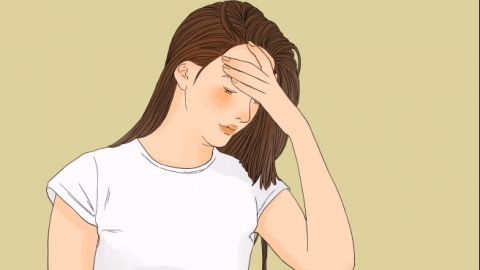
1. Environmental Factors
Remaining in an enclosed, poorly ventilated, or excessively hot environment for a prolonged period may lead to oxygen deficiency and impaired heat dissipation, thereby causing symptoms such as dizziness, nausea, and vomiting. It is recommended to maintain good air circulation or move to a cool and comfortable environment to alleviate these symptoms.
2. Excessive Mental Stress
Prolonged mental stress may trigger a stress response in the body, leading to hormonal imbalances and resulting in symptoms such as dizziness, nausea, and vomiting. Additionally, excessive mental stress can affect sleep quality and lead to sleep deprivation, which may worsen symptoms of dizziness and nausea. It is recommended to relax through activities such as exercise, meditation, and listening to music to help alleviate symptoms.
3. Postural Changes
When body position changes, blood needs to be rapidly redistributed to the head. However, the vascular regulatory response may not keep up, leading to a temporary drop in blood pressure and reduced blood supply to the brain, causing dizziness and nausea. Symptoms may also be accompanied by blurred vision and tinnitus. It is recommended to change positions slowly and avoid sudden standing or sitting up to reduce the occurrence of orthostatic hypotension.
4. Benign Paroxysmal Positional Vertigo (BPPV)
The inner ear is a key organ for balance perception. In BPPV, the脱落 of otoliths can stimulate hair cells in the semicircular canals, causing dizziness and nausea. Symptoms may also include vertigo triggered by specific head positions. It is recommended to take medications such as promethazine hydrochloride tablets, betahistine hydrochloride tablets, and ginkgo biloba leaf tablets under a physician's guidance.
5. Cervical Spondylosis
Patients with cervical spondylosis may experience structural changes in the cervical spine, such as herniated intervertebral discs or bone spurs. These changes may compress nerves and blood vessels, leading to insufficient blood supply to the brain and dysfunction of the inner ear, which can cause symptoms such as dizziness and nausea. Symptoms may also be accompanied by neck pain, stiffness, and arm numbness. It is recommended to follow medical advice and use medications such as chlorzoxazone tablets, eperisone hydrochloride tablets, and naproxen sodium tablets to alleviate symptoms.
It is recommended to consume bland and easily digestible foods, such as millet porridge and soft noodles, while avoiding greasy, spicy, or irritating foods to prevent gastrointestinal irritation that may worsen nausea.








