


What foods should not be eaten for hemorrhoids?
Mar 19, 2025
Source: Cainiu Health

Dr. Li Jingxiang
Introduction
Patients with hemorrhoids should try to avoid eating spicy and irritating foods, greasy foods, hard foods, cold foods, and foods that cause bloating easily. It is advisable to maintain a balanced diet in daily life and consume more fiber-rich foods, such as fresh vegetables and fruits, to help soften stools, promote intestinal motility, and prevent constipation. At the same time, patients should also consume adequate high-quality protein and vitamins to maintain overall health.
Generally, patients with hemorrhoids should try to avoid eating spicy and stimulating foods, greasy foods, hard-to-digest foods, cold foods, and gas-producing foods. Detailed explanations are as follows:
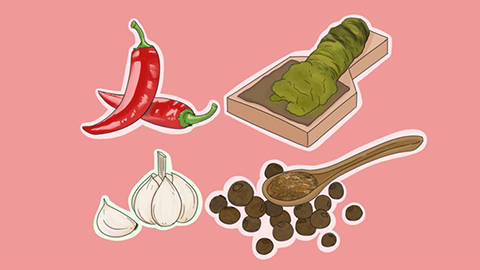
1. Spicy and Stimulating Foods
Such as chili peppers, Sichuan peppercorns, ginger, garlic, pepper, etc. These foods can irritate the mucous membranes and blood vessels of the rectum and anus, causing congestion, edema, dilation, and inflammation, thereby worsening hemorrhoid symptoms.
2. Greasy Foods
Such as fatty meats, fried chicken, cream, puffed snacks, high-fat meats, and animal offal. These foods are difficult to digest and may lead to constipation and difficult defecation, further aggravating the condition of hemorrhoids.
3. Hard Foods
Such as pistachios, beef jerky, walnuts, etc. These foods are difficult to digest and may worsen the condition of patients with hemorrhoids, increasing discomfort during bowel movements.
4. Cold Foods
Such as ice cream, frozen beverages, chilled fruits, etc. Cold foods can easily cause diarrhea, which may irritate the anus and exacerbate hemorrhoid symptoms.
5. Gas-producing Foods
Such as potatoes, milk, soy products, radishes, etc. These foods produce gas, which can lead to abdominal bloating and increased intra-abdominal pressure, possibly causing prolapse of hemorrhoids outside the anus.
In daily life, one should maintain a balanced diet, eat more fiber-rich foods such as fresh vegetables and fruits to help soften stools, promote intestinal motility, and prevent constipation. At the same time, it is also important to consume adequate high-quality protein and vitamins to maintain overall health.





