


Why does the lower abdomen hurt after urinating?

Urination refers to the process of voiding urine. Abdominal pain after urination may be caused by rapid bladder contraction, urine retention, cystitis, urethritis, prostatitis, or other conditions, and should be managed according to the specific situation. It is recommended to visit a hospital promptly and follow medical advice for treatment.
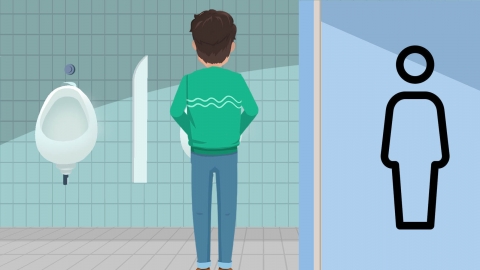
1. Rapid bladder contraction: During urination, the pressure inside the bladder drops suddenly, causing the bladder wall to contract rapidly, which may stimulate surrounding nerves and cause lower abdominal pain. The pain is usually brief and can be relieved by slowing down the urination process to avoid abrupt changes in bladder pressure. Drinking an appropriate amount of water regularly helps maintain normal bladder function. No special treatment is generally required, and the pain often subsides on its own after rest.
2. Urine retention: Long-term urine retention causes the bladder to become overly full and the muscles to stretch excessively. After urination, as the bladder contracts, it can lead to lower abdominal pain. It is important to develop good urination habits, urinate at regular intervals, and avoid prolonged urine retention. When pain occurs, gentle abdominal massage and applying a warm compress with a hot water bag can help promote local blood circulation, relieve muscle tension, and reduce pain.
3. Cystitis: Often caused by bacterial infection of the bladder mucosa, inflammation may lead to congestion and edema of the bladder mucosa. Bladder contraction after urination can worsen the pain, often accompanied by symptoms such as frequent urination, urgency, and painful urination. Patients can take medications like levofloxacin tablets, Sanjin tablets, and sodium bicarbonate tablets under a doctor's guidance to alleviate symptoms.
4. Urethritis: Caused by unclean sexual activity or poor local hygiene, pathogens may invade the urethra and cause inflammation. Urine passing through the inflamed area during urination can cause lower abdominal pain after urination, possibly accompanied by a burning sensation in the urethra and redness or swelling at the urethral opening. It is recommended to take medications such as azithromycin dispersible tablets, Relianqing granules, and compound Shivi capsules under medical guidance.
5. Prostatitis: This condition may be triggered by repeated congestion of the prostate or pathogen infection, causing the prostate to swell and compress surrounding nerves. Pelvic floor muscle contractions after urination may cause lower abdominal pain, and symptoms such as incomplete bladder emptying or white discharge at the end of urination may also occur. It is advised to take medications like Qianlieshutong capsules, tamsulosin hydrochloride sustained-release capsules, and cefixime capsules as directed by a doctor to alleviate discomfort.
In daily life, it is advisable to get up and move around periodically to relieve muscle fatigue and promote blood circulation. At the same time, maintain regular urination habits.
References:
[1] Wang Hua. Clinical Effect of Levofloxacin Combined with Azithromycin in the Treatment of Non-gonococcal Urethritis[J]. China Practical Medicine, 2024, 19(22): 132-134.
[2] Qiao Pengfei. Understanding Interstitial Cystitis[J]. KAIJUANYOUDI - Seeking Medical Advice, 2024, (08): 31-32.


