


Why is one testicle larger than the other?

The size difference between the two testicles, one larger than the other, might be caused by normal physiological variation, congenital developmental factors, epididymitis, varicocele, orchitis, etc., and can be managed according to specific situations. If discomfort occurs, it is recommended to seek medical attention at a hospital promptly and follow medical advice for appropriate management.
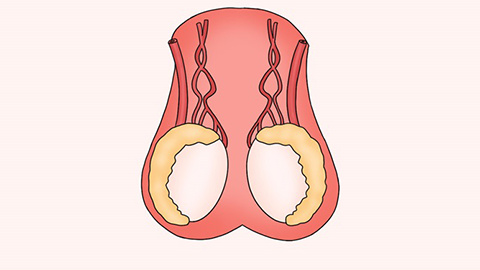
1. Normal physiological variation: Generally, the two testicles in males are not exactly equal in size; typically, the right testicle is slightly larger than the left. As long as the size difference is not significant and there are no other discomfort symptoms, this is considered a normal phenomenon and does not require special treatment. Maintaining healthy lifestyle habits in daily life, such as regular sleep patterns, avoiding prolonged sitting, and moderate exercise, is recommended.
2. Congenital developmental factors: During embryonic development, if one testicle develops at a different rate than the other, it may result in size differences after birth. If there is no pain, heaviness, or other abnormalities, and fertility and sexual function are unaffected, no intervention is usually necessary. However, regular physical examinations and close monitoring of testicular size changes are recommended.
3. Epididymitis: Urinary tract infections may spread to the epididymis, causing inflammation. Inflammatory stimulation can lead to swelling of the epididymis, making the affected side appear larger than the unaffected side. Symptoms may include scrotal heaviness and pain, which can radiate to the lower abdomen and groin area. Patients may use medications such as cefixime capsules, levofloxacin hydrochloride tablets, and azithromycin tablets under medical guidance to alleviate symptoms.
4. Varicocele: Abnormal elongation, dilation, and tortuosity of the pampiniform venous plexus within the spermatic cord may cause impaired venous blood return, affecting testicular circulation and resulting in underdevelopment of the affected testicle, which may be smaller than the unaffected side. Symptoms often include scrotal heaviness and dull pain, which worsen after prolonged standing or fatigue. It is recommended to use medications such as venoruton tablets, diosmin tablets, and sodium aescinate tablets under medical supervision to improve venous return and alleviate symptoms.
5. Orchitis: Infection of the testicles by pathogens such as viruses or bacteria can cause inflammation, leading to congestion and edema of the testicle, which may result in enlargement of the affected side. Symptoms may include high fever, chills, and severe testicular pain, which can radiate to the groin area. Medications such as ribavirin granules, amoxicillin capsules, and ibuprofen sustained-release capsules may be used as directed by a physician to promote recovery.
In daily life, maintaining an appropriate ambient temperature, wearing breathable underwear, and avoiding prolonged exposure to extreme temperatures are recommended.
References:
[1] Yu Xiao, Yang Libo, Guo Zhixin, et al. Effect of Sanjieziyong Decoction combined with levofloxacin in the treatment of acute epididymitis [J]. Clinical Medicine, 2024, 44(10): 115-117.
[2] Yang Yujie, Li Zhuoxin, Wang Chenrui, et al. Research progress on the physiological mechanisms and regulatory networks in the treatment of orchitis [J]. Modern Journal of Urology, 2024, 29(11): 969-974.


