


Why sleeping with a fan blowing may cause facial paralysis

Generally speaking, possible causes of facial paralysis from sleeping with a fan blowing include facial vasoconstriction, abnormal nerve conduction, invasion of wind-cold pathogens, reduced immunity, and muscle spasms. Details are as follows:
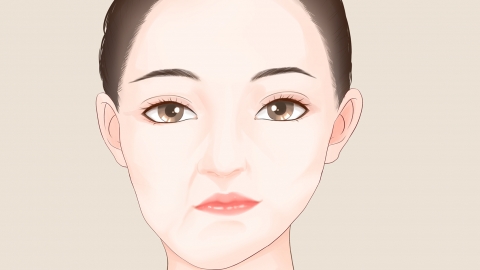
1. Facial Vasoconstriction
During sleep, the body's metabolism slows down and blood circulation becomes relatively slower. Direct exposure of the face to cold air from a fan can cause strong vasoconstriction of facial blood vessels, leading to impaired facial blood circulation and local tissue ischemia and hypoxia, which can affect the blood supply to the facial nerve, making it more susceptible to injury and increasing the risk of facial paralysis.
2. Abnormal Nerve Conduction
The facial nerve is responsible for functions such as facial muscle movement and sensation. Cold air from a fan may interfere with the normal electrophysiological activity of the facial nerve, affecting nerve conduction and causing abnormal transmission of nerve signals. This can lead to facial muscle movement disorders and, in severe cases, facial paralysis.
3. Invasion of Wind-Cold Pathogens
During sleep, the body's defensive qi is relatively weak, and the ability to resist external pathogens is reduced. The air blown by a fan is considered as "wind pathogen" in traditional Chinese medicine. If the face is directly exposed to this wind, wind-cold pathogens can easily invade the facial meridians, obstructing the flow of qi and blood, leading to poor circulation of meridian energy and potentially causing facial paralysis.
4. Reduced Immunity
During sleep, the body is in a state of rest and recovery, and immunity is relatively low. Sleeping for prolonged periods with a fan may cause the body to become chilled, further weakening immunity. At this time, viruses that are dormant in the body may become activated, attacking the facial nerve and causing facial neuritis, which can lead to facial paralysis.
5. Muscle Spasms
Continuous exposure of the facial muscles to cold air from a fan can keep the facial muscles in a tense and spastic state. Prolonged muscle spasms can compress the facial nerve, impairing its normal function. Meanwhile, sustained muscle tension can also hinder blood circulation, worsening nerve ischemia and hypoxia, and increasing the likelihood of facial paralysis.
When using a fan, it is important to avoid directing the airflow toward the face directly, and appropriately adjust the fan's airspeed and duration of use to reduce the risk of facial paralysis.


