


What causes cramping and pain in the calf muscles?

Cramping and pain in the calf may be caused by cold stimulation, excessive fatigue, calcium deficiency, lower limb varicose veins, lumbar disc herniation, and other conditions. Appropriate management can be selected based on specific circumstances. If discomfort occurs, it is recommended to seek medical attention promptly, clarify the condition, and follow medical advice for treatment to avoid delaying the illness.
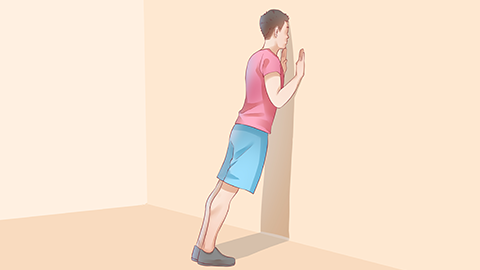
1. Cold Stimulation: Exposure of the legs to cold, such as insufficient warmth in winter or water that is too cold during swimming, can cause strong contraction of leg muscles and sudden spasms of blood vessels, leading to cramping pain. Pay attention to keeping the legs warm, add clothing according to temperature, warm up before swimming, rinse legs with warm water to increase muscle temperature and reduce the risk of cramps.
2. Excessive Fatigue: Prolonged walking or running can keep the calf muscles in a tense state continuously, causing accumulation of metabolic products and making muscles prone to spasms and cramps. Exercise should be progressive, with reasonable arrangement of exercise volume and time, and adequate stretching after exercise. If cramping occurs, massage the affected area by gently kneading from the bottom upward with moderate pressure.
3. Calcium Deficiency: When the body lacks calcium, neuromuscular excitability increases, easily causing calf cramps. Increase intake of calcium-rich foods in daily diet, such as milk, soy products, fish, and shrimp. Calcium supplements may also be taken under a doctor's guidance. Additionally, get more sun exposure to promote vitamin D synthesis, which helps calcium absorption.
4. Lower Limb Varicose Veins: Lower limb varicose veins may be caused by bad habits or diseases, leading to poor venous blood return, local blood stasis, and failure to promptly remove metabolic products, thereby stimulating muscle nerves and causing spasms. It is recommended to wear compression stockings or elastic bandages to promote venous blood return; avoid standing or sitting for long periods and appropriately elevate the affected limb. 5. Lumbar Disc Herniation: Degeneration, injury, and other causes of the lumbar disc lead to nucleus pulposus herniation, compressing nerves that control the lower limbs, causing calf cramping and pain, often accompanied by symptoms such as low back pain, numbness, and weakness in the lower limbs. Patients may follow medical advice to use medications such as ibuprofen sustained-release capsules, mecobalamin tablets, and Yaotongning capsules to relieve pain, nourish nerves, and reduce discomfort.
References:
[1] Sun Peichao, Zhang Chengliang. Is Leg Cramping a Signal of Calcium Deficiency [J]. Family Medicine (Second Half of the Month), 2024, (12): 35-36.
[2] Zheng Lei. Elastic Bandages for the Prevention and Treatment of Cramps [J]. Family Chinese Medicine, 2019, 26(10): 50.
[3] Xiong Xue, Nie Hongping, Hu Benling. Research Progress on Quality of Life in Patients with Lower Limb Varicose Veins After Surgery [J]. Contemporary Nurses (End of Month Issue), 2024, 31(11): 24-28.


