


Can tamarinds with cracked shells be eaten?
Apr 30, 2025
Source: Cainiu Health

Dr. Zhang Xiuhong
Introduction
Tamarinds with cracked shells can still be eaten, but they should be checked for spoilage or contamination. If the shell is only slightly damaged and the pulp inside has not discolored, changed in odor, or molded, the tamarind is generally still edible. In such cases, the nutritional value and taste of the tamarind will not be significantly affected. However, it is recommended to wash it thoroughly before consumption to remove any dust or bacteria that may be present on the surface.
In general, tamarind with cracked shells can still be eaten, but it is important to check for signs of spoilage or contamination.
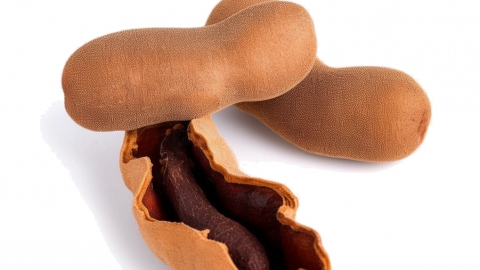
If the tamarind shell is only slightly damaged and the pulp inside has not discolored, developed an off odor, or molded, it is usually still safe to eat. In such cases, the nutritional value and taste of the tamarind are generally not significantly affected. However, it is advisable to thoroughly wash it before consumption to remove any dust or bacteria that may be present on the surface.
If the tamarind shell is severely damaged, causing the pulp to be exposed for a prolonged period, it may become contaminated with bacteria or mold, leading to spoilage. Spoiled tamarind not only has poor taste but may also pose health risks. Moreover, if the pulp develops an unusual odor, discoloration, or becomes soft and mushy, it should not be consumed to avoid food poisoning or other health issues.
To prevent spoilage, tamarind should be stored in a cool, dry, and well-ventilated place. If the shell is already cracked, it is best to consume it as soon as possible or take appropriate measures to preserve its freshness.






