


What are the differences between esophagogastroduodenoscopy (EGD) and gastroscopy?

Generally speaking, EGD refers to esophagogastroduodenoscopy. The main differences between esophagogastroduodenoscopy and gastroscopy include the scope of examination, examination purposes, applicable populations, examination procedures, and risks of complications. Detailed analysis is as follows:
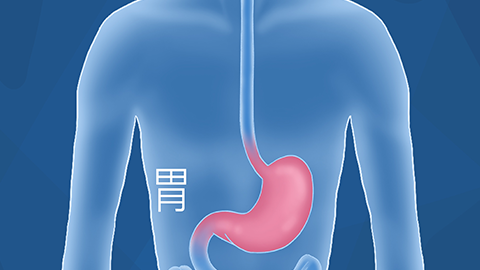
1. Different Examination Scope
Gastroscopy primarily examines the mucosal conditions of the esophagus and stomach. In comparison, esophagogastroduodenoscopy covers a broader area. In addition to examining the esophagus and stomach, it can also reach into the duodenum to observe regions such as the duodenal bulb and descending portion.
2. Examination Purposes
Gastroscopy focuses on diagnosing diseases of the esophagus and stomach, such as gastritis, gastric ulcers, and esophageal varices. Esophagogastroduodenoscopy not only diagnoses diseases of the esophagus and stomach but also helps identify duodenal lesions such as duodenal ulcers and duodenal tumors.
3. Different Applicable Populations
Gastroscopy is primarily used to diagnose gastric diseases such as gastric ulcers, gastritis, and gastric cancer. It can also be used to evaluate treatment effectiveness and monitor disease progression. Esophagogastroduodenoscopy is suitable for diagnosing and treating most upper gastrointestinal tract diseases, including inflammation, ulcers, and tumors in the esophagus, stomach, and duodenum.
4. Different Examination Procedures
Esophagogastroduodenoscopy is usually performed with the patient awake. The physician inserts the endoscope through the mouth and sequentially examines the esophagus, stomach, and duodenum. Patients may experience some discomfort, but it is generally tolerable. Gastroscopy can be performed while the patient is awake or, in certain cases, anesthesia may be used to reduce discomfort.
5. Different Risks of Complications
Common complications of gastroscopy include bleeding, perforation, and infection, but the incidence rates are low. Because esophagogastroduodenoscopy involves a wider scope of operation, longer procedure time, and relatively greater intestinal irritation, the risk of these complications is relatively higher.
When selecting an examination method, the decision should be based on the patient's specific condition and the physician's recommendations.


