


What are the differences between cassava and sweet potato?

Generally speaking, the differences between cassava and sweet potato include their uses, toxicity and food safety, texture and taste, nutritional content, and physical characteristics. The details are as follows:
1. Uses
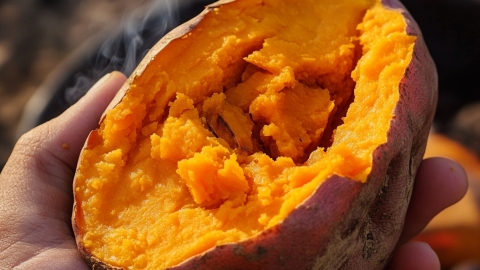
Cassava is primarily used for industrial starch extraction and can also be processed into animal feed or alcohol. Sweet potatoes are directly consumed as food (steamed, baked, or boiled), processed into chips, fries, or starch, and certain varieties are used as feed or raw materials for biofuels.
2. Toxicity and Food Safety
Cassava contains cyanogenic glycosides; eating it raw or insufficiently processed may cause cyanide poisoning. Sweet potatoes are non-toxic and can be eaten directly, but sprouted or moldy sweet potatoes may produce solanine, so spoiled parts should be avoided.
3. Texture and Taste
Cassava has a soft and glutinous texture with a unique chewiness. The taste and texture of sweet potatoes vary depending on the variety; some are fragrant and sweet with a fine texture, some are sweet and floury, while others are fragrant and sticky.
4. Nutritional Content
Cassava mainly contains starch and dietary fiber, with relatively low protein and vitamin content, although it does contain abundant dietary fiber. Sweet potatoes are rich in starch, dietary fiber, vitamin A, vitamin C, potassium, and other nutrients.
5. Physical Characteristics
Cassava roots are typically cylindrical, with brown or gray skin and white flesh that is dense in texture. Sweet potato roots vary in shape, including round, oval, or elongated forms, with various skin colors and a relatively soft texture.
When choosing between the two, you can make a reasonable selection based on your personal needs and physical condition. Additionally, all foods should be consumed in moderation to maintain a balanced diet.


