


Can unripe watermelon be eaten, and what are its nutritional values?

Unripe watermelon is generally edible, but its taste and nutritional value differ from those of ripe watermelon. Its nutritional profile typically includes high water content, small amounts of sugar, rich vitamin C content, dietary fiber, and trace minerals. A detailed breakdown is as follows:
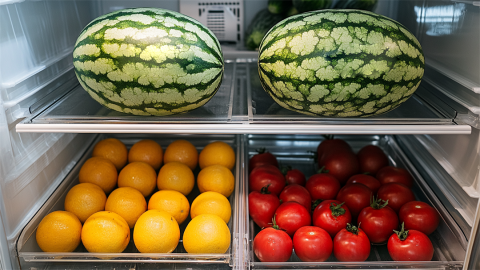
1. High water content: Unripe watermelon still contains a large amount of water, which helps replenish the body's fluid needs and can quench thirst, especially during hot weather, although it may lack the sweetness of ripe watermelon.
2. Contains small amounts of sugar: The sugar content in unripe watermelon is relatively low, resulting in less sweetness. Therefore, it is not ideal for making desserts or consuming directly as fruit, but it may be a suitable option for individuals needing to control their sugar intake.
3. Rich in vitamin C: Even unripe watermelon contains a certain amount of vitamin C, which helps boost immunity, enhance the body's antioxidant capacity, and provide foundational support for overall health.
4. Contains dietary fiber: Unripe watermelon retains a significant amount of dietary fiber, which helps promote intestinal motility and improve digestive function, making it suitable for individuals seeking to increase their fiber intake, such as those experiencing constipation.
5. Contains trace minerals: Unripe watermelon contains small amounts of minerals such as potassium and magnesium. Although the levels are not as high as in ripe watermelon, they still provide essential micronutrients that help maintain electrolyte balance.
To ensure food safety and optimal taste, it is recommended to consume watermelons that are moderately ripe. When handling all fresh ingredients, make sure to wash them thoroughly to reduce health risks.


