Why does gastrointestinal spasm cause abdominal pain?
Jun 05, 2025
Source: Cainiu Health

Dr. Shen Yonghua
Introduction
In general, abdominal pain caused by gastrointestinal spasms may be due to improper diet, psychological factors, irritable bowel syndrome, gastroenteritis, gastric ulcers, and other conditions. Symptomatic management typically involves general treatments and medication. If symptoms are severe, prompt medical consultation and examination are recommended for targeted treatment. In daily life, it is advised to adjust dietary habits and avoid spicy or irritating foods.
In general, possible causes of abdominal pain due to gastrointestinal spasms may include improper diet, psychological factors, irritable bowel syndrome, gastroenteritis, and peptic ulcer disease. Symptomatic management usually involves general treatment and medication. If symptoms are severe, timely medical consultation and examination are recommended for targeted treatment. Detailed analysis is as follows:
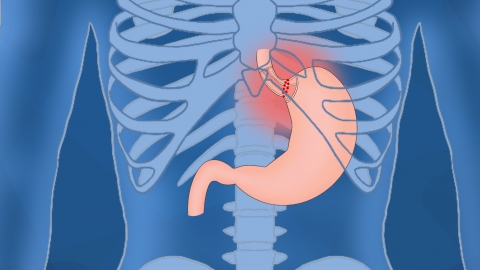
1. Improper Diet
Overeating, consuming spicy or greasy foods, or eating too quickly can increase the burden on the gastrointestinal tract, causing strong contractions of the gastrointestinal muscles, leading to gastrointestinal spasms and resulting in abdominal pain, which may be accompanied by symptoms such as nausea, vomiting, and diarrhea. It is recommended to adjust eating habits, avoid overeating and consuming irritating foods, and eat slowly with small bites.
2. Psychological Factors
Psychological factors such as stress and anxiety may affect gastrointestinal function, causing abnormal contractions of the smooth muscles in the gastrointestinal tract, thereby causing abdominal pain. Long-term exposure to high-pressure conditions may worsen symptoms. It is recommended to learn stress management techniques, maintain a cheerful mood, and relieve stress and anxiety through activities such as exercise and meditation.
3. Irritable Bowel Syndrome
Irritable bowel syndrome is a common functional bowel disorder caused by multiple factors such as abnormal gastrointestinal motility and visceral hypersensitivity. Patients' gastrointestinal tracts may overreact to certain stimuli, causing gastrointestinal spasms and abdominal pain, which may be accompanied by alternating diarrhea and constipation, bloating, and increased gas production. It is recommended to follow medical advice to use medications such as Fluoxetine Capsules, Loperamide Capsules, and Lactulose Oral Solution for treatment.
4. Gastroenteritis
Gastroenteritis caused by viral, bacterial, or parasitic infections may irritate the smooth muscles of the gastrointestinal tract, leading to contractions, gastrointestinal spasms, and abdominal pain. Symptoms often include vomiting, diarrhea, and fever. It is recommended to follow medical advice to use medications such as Enteritis Relief Tablets, Domperidone Tablets, and Smectite Powder for treatment. Additionally, attention should be paid to food hygiene to prevent infection.
5. Peptic Ulcer
Long-term alcohol consumption, smoking, and eating spicy foods can damage the stomach's mucosal defense mechanisms, leading to peptic ulcers. In such cases, the gastric mucosa is damaged, and gastric acid and pepsin directly act on the ulcer site, causing stomach pain. The stomach's digestive function is also affected, leading to gastrointestinal spasms and abdominal pain. Symptoms may include increased pain after meals, weight loss, nausea, and vomiting. It is recommended to follow medical advice to use medications such as Omeprazole Enteric-coated Capsules, Hydrotalcite Chewable Tablets, and Amoxicillin Capsules for treatment.
In daily life, it is advisable to adjust your diet, avoid irritating foods, and maintain healthy lifestyle habits to help maintain gastrointestinal health.