


Can I drink alcohol after donating blood?

Generally speaking, alcohol consumption is not recommended after blood donation and should be postponed until the body has fully recovered. The detailed explanation is as follows:
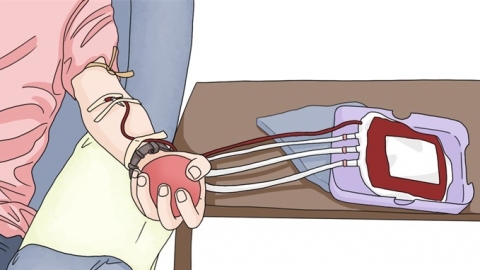
After blood donation, the body is in a recovery phase, during which the hematopoietic system requires nutrients to replenish the lost blood. Alcohol must be metabolized by the liver, and consuming alcohol at this time increases the burden on the liver and interferes with the recovery process. Additionally, alcohol has a vasodilatory effect. Since blood vessels are in a state of repair following donation, alcohol consumption may cause blood pressure fluctuations and increase the likelihood of experiencing discomfort symptoms such as dizziness and fatigue.
Furthermore, alcohol may inhibit platelet production, affect coagulation function, prolong the time required for the puncture site to stop bleeding, and increase the risk of bleeding. Drinking alcohol may also mask any discomfort symptoms that arise after blood donation, making it harder to detect and address problems promptly, thus negatively affecting recovery.
After donating blood, it is important to drink plenty of water and consume foods rich in protein and iron, as well as ensure sufficient sleep and rest. One should wait at least 24 hours and ensure there are no discomfort symptoms and that recovery is good before considering consuming a small amount of alcohol. If any abnormalities occur during alcohol consumption, it should be stopped immediately and medical attention sought.


