


Why does eating chili peppers cause abdominal pain at night?

Generally, abdominal pain in the middle of the night after consuming chili peppers may be caused by dietary irritation, gastrointestinal sensitivity, acute gastritis, gastric ulcer, cholecystitis, or other reasons. It is recommended to seek timely medical attention, identify the underlying cause, and receive symptomatic treatment under the guidance of a qualified physician. Detailed analysis is as follows:
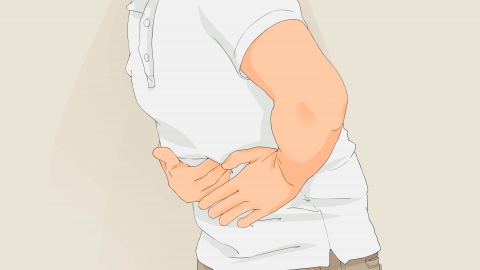
1. Dietary Irritation
Capcaisin in chili peppers can strongly irritate the gastrointestinal mucosa, causing spasms of the smooth muscle in the gastrointestinal tract, which leads to abdominal pain. This type of abdominal pain is usually temporary and does not accompany other symptoms. It is recommended to adjust dietary habits and reduce or avoid consumption of spicy foods such as chili peppers.
2. Gastrointestinal Sensitivity
In individuals with sensitive gastrointestinal tracts, the mucosa may be easily irritated after consuming chili peppers, triggering allergic or inflammatory reactions that cause abdominal pain. It is recommended to apply heat compresses or drink warm water during pain episodes to help alleviate symptoms.
3. Acute Gastritis
Excessive capsaicin can irritate the gastric mucosa, leading to gastric mucosal congestion, edema, or even erosion, which causes acute gastritis. The inflammatory response in the gastric mucosa intensifies, releasing inflammatory mediators that cause severe abdominal pain, possibly accompanied by nausea, vomiting, and a burning sensation in the stomach. It is recommended to take medications such as复合凝乳酶胶囊 (complex rennet enzyme capsules), 枸橼酸铋钾片 (bismuth potassium citrate tablets), or 胶体果胶铋胶囊 (colloidal pectin bismuth capsules) under a doctor's guidance for treatment.
4. Gastric Ulcer
Capsaicin irritates the gastric mucosa, increases gastric acid secretion, and causes gastric mucosal vasoconstriction, reducing blood supply to the mucosa, impairing its repair and defense functions, leading to gastric ulcers and severe abdominal pain. Symptoms may also include indigestion and pain that awakens the patient at night. It is recommended to follow medical advice to use medications such as esomeprazole magnesium enteric-coated tablets, rabeprazole sodium enteric-coated tablets, or lansoprazole tablets to relieve symptoms.
5. Cholecystitis
Capsaicin stimulates gallbladder contraction, worsening bile excretion disorders, causing gallbladder inflammation, which leads to right upper quadrant abdominal pain, possibly accompanied by jaundice, nausea, and vomiting. It is recommended to avoid spicy and irritating foods and take medications such as Xiaoyan Lidan tablets (anti-inflammatory and bile-promoting tablets), clindamycin hydrochloride tablets, or ursodeoxycholic acid tablets under a doctor's guidance for treatment.
It is also recommended to use a hot water bottle or warm towel to apply heat to the abdomen, with the temperature set at a warm and comfortable level, to promote abdominal blood circulation, relieve gastrointestinal spasms, and reduce the sensation of pain.


