


What causes uneven uterine myometrial echogenicity?

The uneven echo of the uterine myometrium may be caused by uterine contractions, normal menstruation, adenomyosis, uterine fibroids, endometriosis, etc. If concerned, it is recommended to seek medical advice in advance. Detailed analysis is as follows:
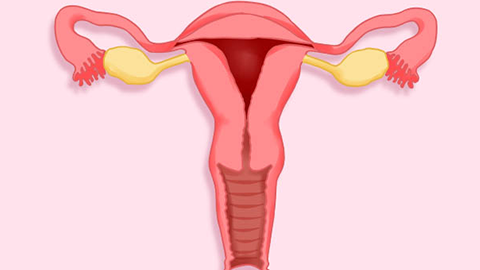
1. Uterine contraction: When the uterine smooth muscle contracts irregularly, it can cause temporary structural changes in the myometrial tissue, affecting ultrasound reflection and resulting in uneven echogenicity. This is often a physiological response, usually resolves spontaneously after rest, does not require special treatment, and sufficient sleep with avoidance of fatigue is sufficient.
2. Normal menstruation: During menstruation, the shedding of the endometrium and bleeding cause the uterine myometrium to contract to expel menstrual blood, accompanied by vascular dilation and congestion, leading to changes in myometrial echogenicity. Generally, it returns to normal after menstruation ends; keep warm during menstruation and avoid cold or raw foods.
3. Adenomyosis: Endometrial glands and stroma invade and grow into the uterine myometrium, and cyclic bleeding creates small cystic spaces within the myometrium, appearing as uneven echogenicity on ultrasound. It is often accompanied by progressively worsening dysmenorrhea, increased menstrual flow, and prolonged menstrual periods. Treatment may follow medical advice to use Levonorgestrel tablets, Danazol capsules, or Triptolide capsules to regulate hormones and inhibit endometrial growth; surgical removal of the lesion may be necessary when needed.
4. Uterine fibroids: Nodules of uterine fibroids formed by the proliferation of smooth muscle cells have different densities compared to surrounding normal myometrial tissue, causing abnormal ultrasound echogenicity. Depending on the location and size of the fibroid, symptoms such as increased menstrual bleeding, abdominal pain, frequent urination, and infertility may occur. Treatment may involve the use of Guizhi Fuling capsules, Gongliu Xiao capsules, or Mifepristone tablets under medical guidance to reduce the size of the fibroids.
5. Endometriosis: Endometriosis refers to endometrial tissue growing outside the uterine cavity. These ectopic endometrial tissues are also affected by hormones, causing cyclic bleeding and pain, which appears as uneven myometrial echogenicity during ultrasound examination. It is usually accompanied by dysmenorrhea, infertility, and menstrual irregularities. Medical advice may consider surgical treatments such as lesion excision or hysterectomy.
When uneven myometrial echogenicity is detected, do not self-diagnose the condition; timely gynecological examination and tumor marker testing should be completed to determine the underlying cause.


