


Can sprouted lotus seeds still be eaten?

Generally speaking, sprouted lotus seeds are usually edible, but it is important to observe the sprouting condition and whether the lotus seeds themselves have spoiled. If in doubt, it is recommended to consult a medical professional in advance. Detailed analysis is as follows:
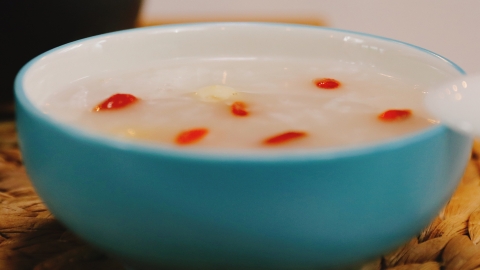
If the sprouts of the lotus seeds are tender and the seeds show no signs of mold, odor, or discoloration, they can be eaten normally after being thoroughly washed. The nutritional components of sprouted lotus seeds do not diminish, and the sprouts may even contain new nutrients. During cooking, they can be combined with other ingredients, such as being used in porridge or soup, with minimal impact on taste and nutrition. Eating them in this condition is harmless to the body.
However, if the lotus seeds have sprouted but also show signs of mold, an unusual odor, or a soft and mushy texture, this indicates spoilage and they should not be consumed. Spoiled lotus seeds may harbor bacteria, molds, or other microorganisms that produce harmful substances. Consumption may lead to gastrointestinal discomfort, including symptoms such as abdominal pain and diarrhea, which can be harmful to health. In such cases, even if the seeds have sprouted, they should be discarded immediately to avoid accidental ingestion.
Before consuming sprouted lotus seeds, carefully inspect them to ensure there are no signs of spoilage. Thoroughly wash them before cooking. If uncertain about their safety, it is advisable to avoid eating them altogether.


