


How long does it usually take for hemorrhoids to retract?
Jul 03, 2025
Source: Cainiu Health

Dr. Li Jingxiang
Introduction
If the symptoms of hemorrhoids are severe, such as significant prolapse of the hemorrhoidal mass, obvious edema, or if the patient fails to treat the condition promptly, frequently strains during bowel movements, the time required for the hemorrhoids to retract may be longer, usually around 5 to 7 days. More severe hemorrhoidal masses require a longer time for the swelling to subside, and straining during bowel movements increases anal pressure, delaying recovery. At this time, symptoms can be relieved and hemorrhoid retraction promoted through warm water sitz baths, topical medications, and other measures.
Generally, the time it takes for hemorrhoids to retract ranges from 3 to 7 days. If there are any concerns, it is recommended to seek medical advice earlier. Detailed analysis is as follows:
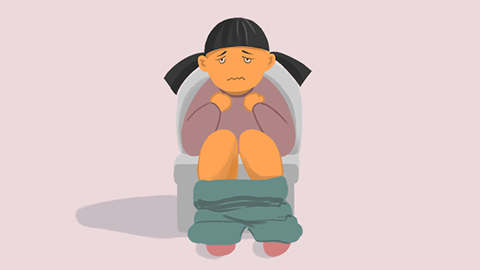
If the hemorrhoid symptoms are severe, such as significant prolapse, noticeable edema, or if the patient fails to treat promptly or frequently strains during bowel movements, the retraction time may be longer, usually around 5 to 7 days. More severe hemorrhoidal swellings require more time to reduce swelling, and straining during bowel movements increases anal pressure, delaying recovery. At this stage, sitz baths with warm water and local medication can help alleviate symptoms and promote hemorrhoid retraction.
When hemorrhoid symptoms are mild, with only minor prolapse that is promptly reduced, and the patient ensures adequate rest and maintains smooth bowel movements, the retraction time is relatively shorter, usually within 3 to 5 days. Mild prolapsed hemorrhoids tend to resolve swelling easily after avoiding irritation, and combined with medication and lifestyle adjustments, the retraction process can be accelerated.
If hemorrhoidal prolapse occurs, it should be treated promptly. Avoid prolonged sitting or standing, maintain anal hygiene, and if the hemorrhoids have not retracted within 7 days or if pain intensifies, timely medical consultation is necessary.





