


What does a hypoechoic thyroid nodule mean?

Generally, a thyroid hypoechoic nodule refers to an abnormal structure in the thyroid gland that appears as an area with lower echogenicity than the surrounding normal thyroid tissue during an ultrasound examination. If any abnormalities are detected, timely medical consultation is recommended. Detailed analysis is as follows:
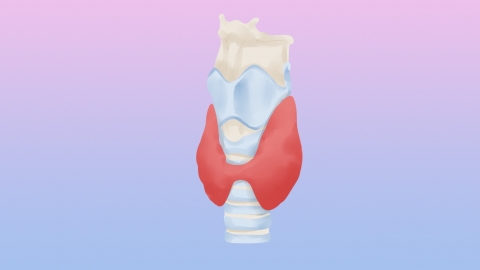
Most thyroid hypoechoic nodules are benign lesions, such as nodular goiter or thyroid adenoma. These nodules typically have clear boundaries, regular shapes, homogeneous internal echogenicity, slow growth, and minimal impact on thyroid function. Patients often experience no obvious symptoms. Regular ultrasound follow-ups can monitor nodule changes. If the nodule remains stable over a long period, no special treatment is required, and it generally does not pose a threat to health.
Some thyroid hypoechoic nodules may be malignant. The risk of malignancy increases when the nodule has blurred margins, irregular shape, a height-to-width ratio greater than 1, microcalcifications, or chaotic blood flow signals within the nodule. These nodules are often thyroid cancer. Cancer cells can invade surrounding tissues, affect thyroid function, and if left untreated, may metastasize, seriously threatening health. Further fine-needle aspiration biopsy is needed to confirm the nature of the nodule, followed by appropriate treatment.
In daily life, maintaining a healthy lifestyle, improving dietary habits, engaging in appropriate physical exercise, enhancing physical fitness, and reducing the risk of disease are recommended.


