


Is hypothyroidism caused by iodine deficiency or excessive iodine intake?

Hypothyroidism, or underactive thyroid, may be caused by either iodine deficiency or excessive iodine intake. Long-term insufficient iodine intake can lead to the disease due to a lack of raw materials needed for thyroid hormone synthesis, while excessive iodine intake can also interfere with thyroid function and cause illness. If any abnormalities occur, prompt medical attention is recommended. Detailed analysis is as follows:
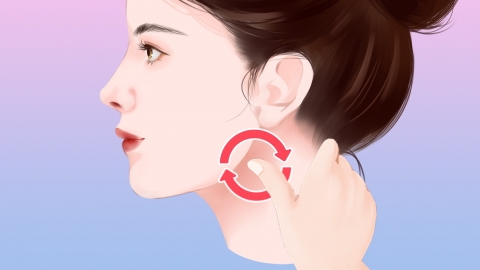
Long-term inadequate dietary intake of iodine can result in a deficiency of the raw materials required for thyroid hormone synthesis, preventing the thyroid gland from secreting sufficient hormones and subsequently triggering hypothyroidism. This condition commonly occurs in iodine-deficient areas, where patients may develop compensatory thyroid enlargement alongside symptoms such as reduced metabolic rate, cold intolerance, and fatigue. Symptoms can improve with appropriate iodine supplementation.
When iodine intake is excessive, especially over a prolonged period beyond the body's needs, it can inhibit the synthesis and release of thyroid hormones, disrupt normal thyroid function, and lead to decreased hormone secretion, causing hypothyroidism. This situation is often seen in individuals who regularly consume high-iodine foods or excessively supplement with iodine. Patients may experience symptoms such as goiter, weight gain, and mental lethargy. Reducing iodine intake combined with medication is necessary for restoring thyroid function.
Once hypothyroidism is diagnosed, it is important to first determine the patient's iodine intake status. Under a doctor's guidance, adjust dietary iodine intake accordingly, follow a standardized regimen of thyroid hormone replacement therapy, and undergo regular follow-up tests of thyroid function to adjust the treatment plan as needed.


