


What are the functions and benefits of lotus seeds and lily bulbs?

Generally speaking, the main functions and benefits of lotus seeds and lily include nourishing the heart and calming the mind, nourishing yin and moistening the lungs, strengthening the spleen and nourishing the stomach, providing nutrition, and regulating metabolism. The specific analysis is as follows:
1. Nourish the Heart and Calm the Mind
Lotus seeds contain alkaloids that can calm the nerves and relieve anxiety and irritability; lily clears the heart and calms the mind, improving restlessness and uneasiness. Together, they synergistically soothe the mind and alleviate symptoms such as insomnia, excessive dreaming, palpitations, and restlessness, making them suitable for individuals experiencing emotional stress and high pressure.
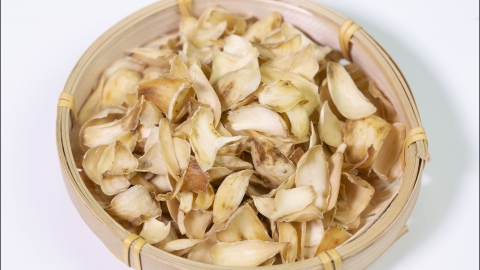
2. Nourish Yin and Moisturize the Lungs
Lily is slightly cold in nature and has the effect of nourishing yin and moistening the lungs, which can relieve dry cough with little phlegm and dry throat caused by lung dryness; lotus seeds also have a certain yin-nourishing effect. Together, they nourish lung fluids and help maintain respiratory comfort during dry seasons or when body fluids are insufficient.
3. Strengthen the Spleen and Nourish the Stomach
Lotus seeds enter the spleen meridian and can enhance spleen and stomach functions, improving poor appetite and indigestion caused by spleen and stomach weakness; lily can also assist in nourishing the spleen and stomach. Together, they gently regulate the spleen and stomach, promoting digestion and absorption, making them suitable for individuals with weak gastrointestinal function.
4. Provide Nutrition
Lotus seeds are rich in protein, vitamins, minerals, and dietary fiber; lily contains various alkaloids and vitamins. Together, they provide a diverse range of nutrients to the body, helping to strengthen physical condition and improve immunity and resistance.
5. Regulate Metabolism
Dietary fiber in lotus seeds promotes intestinal peristalsis and helps eliminate metabolic waste; the nutrients in lily also support bodily metabolism. Together, they regulate metabolic functions, maintaining normal physiological functions and benefiting overall health.
Lily is slightly cold in nature and individuals with spleen and stomach deficiency-cold or frequent diarrhea should avoid excessive consumption to prevent worsening gastrointestinal discomfort. Although lotus seeds and lily have nourishing effects, moderation is important, as excessive intake may cause digestive issues such as bloating. Special populations, such as pregnant women and children, should consult a doctor before consumption to ensure dietary safety.


