


What are the differences between heat stroke and cold stroke?
Jul 15, 2025
Source: Cainiu Health

Dr. Wang Lei
Introduction
Under normal circumstances, heatstroke and coldstroke, as two types of heat-related illnesses caused by different triggers, mainly differ in terms of causative factors, body temperature presentation, predominant symptoms, environmental conditions during onset, and methods of relief. In daily life, it is important to take appropriate protective measures according to different environments, avoid prolonged exposure to high temperatures, and maintain proper hydration.
Generally, heatstroke and coldstroke are two types of heatstroke caused by different triggers, and their differences mainly include different causes, different body temperature manifestations, different symptom focuses, different environments of onset, and different ways of relief. A detailed analysis is as follows:
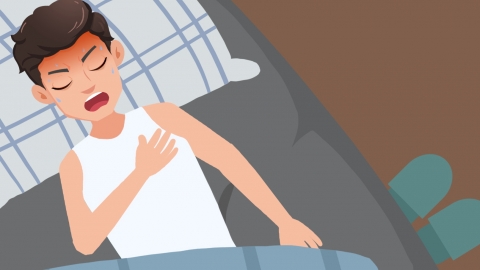
1. Different causes: Heatstroke often results from prolonged exposure to high temperature and high humidity environments, where the body generates excessive heat but cannot dissipate it adequately, leading to dysfunction of the body's temperature regulation. Coldstroke typically occurs when the body suddenly encounters excessive cold stimulation in a high-temperature environment, such as consuming large amounts of iced water or prolonged exposure to cold air, causing an imbalance in the body's regulation of hot and cold.
2. Different body temperature manifestations: During heatstroke, body temperature significantly rises, usually exceeding 38°C and sometimes reaching above 40°C, with hot skin and dryness due to lack of sweating. In coldstroke, body temperature is generally normal or slightly lower, the skin may feel cool, and some patients experience cold hands and feet, related to excessive heat dissipation.
3. Different symptom focuses: Heatstroke primarily manifests as dizziness, headache, thirst, excessive sweating, flushed face, and limb weakness, with severe cases presenting coma and convulsions. Coldstroke mainly involves gastrointestinal symptoms such as nausea, vomiting, abdominal pain, diarrhea, accompanied by dizziness, fatigue, and some patients may experience symptoms similar to a cold, such as nasal congestion and runny nose.
4. Different environments of onset: Heatstroke commonly occurs in environments such as summer outdoor work, enclosed high-temperature workshops, or after intense physical activity. Coldstroke often occurs when individuals suddenly move from a hot environment into an air-conditioned room, are exposed to fan cooling for extended periods, or consume large amounts of cold beverages, associated with a sudden drop in environmental temperature.
5. Different ways of relief: For heatstroke, the patient should be quickly moved to a cool and ventilated area, clothing should be loosened, body cooling can be achieved by wiping the body with a wet towel, and salt-containing cool beverages should be provided for hydration. For coldstroke, the individual should leave the excessively cold environment, wear additional clothing for warmth, and may drink warm salt water or ginger sugar water to alleviate gastrointestinal discomfort.
In daily life, appropriate protection should be taken according to different environments: avoid prolonged exposure to high temperatures and replenish water reasonably; at the same time, avoid sudden exposure to excessive cold stimulation, which helps reduce the occurrence of heatstroke and maintain physical comfort.




