


Does a tooth-marked tongue indicate spleen deficiency?

Generally, whether tooth marks on the tongue indicate spleen deficiency can be determined by specific symptoms. If the tongue has tooth marks accompanied by symptoms such as reduced appetite, abdominal distension, and loose stools, it is usually caused by spleen deficiency. However, if the tongue has tooth marks but no significant discomfort, with normal appetite and bowel movements, it is not due to spleen deficiency. Detailed analysis is as follows:
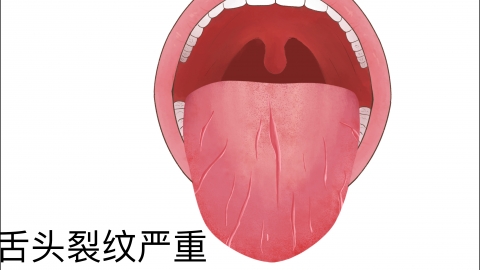
Spleen deficiency can lead to impaired digestive function of the spleen and stomach, causing abnormal elimination of dampness and water from the body. This results in fluid retention within the body, leading to a swollen tongue that develops tooth marks due to pressure from the teeth. Additionally, noticeable abdominal distension after eating, loose stools, and limb fatigue may also occur. In such cases, treatment should focus on strengthening the spleen and eliminating dampness to improve the function of the spleen and stomach.
Some individuals naturally have broader tongues, and long-term pressure from teeth may cause tooth marks. However, they do not exhibit any symptoms associated with spleen deficiency, and their appetite, bowel movements, and overall physical condition remain normal. This type of condition is a physiological phenomenon unrelated to spleen deficiency and does not require special treatment.
In daily life, one can maintain the health of the spleen and stomach through a balanced diet, consuming more spleen-strengthening foods such as yam, millet, and red dates, while avoiding excessive intake of spicy, raw, cold, or greasy foods. At the same time, maintaining regular sleep patterns, avoiding excessive fatigue, and engaging in appropriate physical activities such as walking and jogging can enhance the digestive function of the spleen and stomach and help maintain good overall health.


