


How to determine if the hymen is broken

Generally speaking, the term "hymen" refers to the vaginal hymen. Determination of whether the vaginal hymen is ruptured can be aided by confirming a history of external force, observing local pain and bleeding, undergoing professional gynecological examination, understanding the limitations of self-observation, and considering variations in hymenal morphology. Specific analysis should be based on actual circumstances. Detailed analysis is as follows:
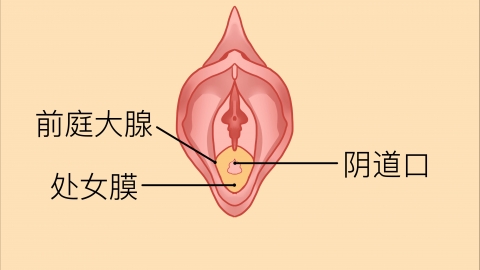
1. Confirm history of external force: If one has experienced sexual activity, vigorous exercise, accidental impact to the vulva, or gynecological examination—clear instances of external force—these could potentially cause rupture of the vaginal hymen. In the absence of such external stimulation, spontaneous rupture of the vaginal hymen is rare and can serve as an important basis for initial judgment.
2. Observe local pain and bleeding: When the vaginal hymen ruptures, most individuals experience brief, mild pain, possibly accompanied by slight bleeding, which may appear pinkish or bright red. The amount of bleeding is usually minimal and stops spontaneously within one or two days. However, some individuals may not experience obvious pain or bleeding due to good elasticity of the hymen or minor degree of rupture; therefore, comprehensive evaluation combining other factors is necessary.
3. Utilize professional gynecological examination: This is a more accurate method of assessment. A professional gynecologist can visually inspect or use instruments to examine the integrity of the vaginal hymen, the presence of tears, and their location, thus making a definitive conclusion and avoiding errors from self-assessment.
4. Understand the limitations of self-observation: When observing the vulva independently, limited visibility and lack of professional knowledge make it difficult to accurately identify the hymenal structure and small tears. Additionally, the hymen naturally contains an opening for menstrual blood to pass through, which can easily be mistaken for a tear. Sole reliance on self-observation may lead to misjudgment and is not recommended as the only method of determination.
5. Consider variations in hymenal morphology: Vaginal hymens vary in shape and structure. Some individuals are born with a more elastic hymen containing a larger opening, which may not rupture even with minor external force. Others may have a thinner hymen that can tear easily with slight stimulation. These morphological differences directly affect the accuracy of judgment and must be fully considered.
In daily life, there is no need to overly focus on whether the vaginal hymen is ruptured. Emphasis should be placed on maintaining vulvar hygiene, avoiding frequent touching, and using irritating cleansing products.


