


What are the symptoms of Helicobacter pylori infection?

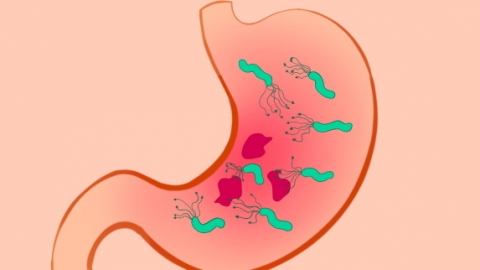
Generally, after Helicobacter pylori infection, various typical symptoms may appear, mainly including upper abdominal pain, acid reflux, belching, nausea, and bad breath. The onset time and severity of these symptoms vary among individuals; if discomfort symptoms occur, it is recommended to seek timely diagnosis and treatment at a regular hospital. Detailed analysis is as follows:
1. Upper Abdominal Pain
Upper abdominal pain often presents as dull, distended, or burning pain. The pain is commonly concentrated below the xiphoid process or near the umbilical area. Pain episodes lack a clear pattern; sometimes the pain worsens when fasting, while at other times it may be relieved after eating.
2. Acid Reflux
Acid reflux occurs due to Helicobacter pylori infection damaging gastric mucosal function, increasing gastric acid secretion by gastric wall cells, and causing gastrointestinal motility dysfunction and delayed gastric emptying. As excessive gastric acid cannot be promptly emptied into the intestines, it flows upward, resulting in acid reflux.
3. Belching
Helicobacter pylori decomposes urea in the stomach to produce gases such as ammonia. Additionally, the gastric mucosal inflammation caused by the infection affects normal digestive function, leading to prolonged food retention in the stomach. This fermentation process generates more gas, which accumulates in the stomach, prompting belching.
4. Nausea
Helicobacter pylori infection irritates the gastric mucosa, causing abnormal gastric motility rhythm, obstruction of gastric content emptying, increased intragastric pressure, and subsequent stimulation of the vomiting center, leading to a feeling of nausea.
5. Bad Breath
Helicobacter pylori reproduces in the stomach and oral cavity, producing malodorous gases such as hydrogen sulfide and ammonia. These gases are expelled through the mouth. Additionally, gastric inflammation caused by the infection may lead to gastric contents refluxing into the oral cavity, exacerbating bad breath.
Additionally, patients with Helicobacter pylori infection may also experience symptoms such as abdominal bloating and indigestion. In daily life, attention should be paid to food hygiene, and sharing of tableware should be avoided to reduce the risk of cross-infection.


