


Are the fruits of the purple-leaf plum edible?

Generally, mature purple-leaf plum fruits cultivated artificially in clean environments may be consumed in small quantities. However, wild, roadside, or pesticide-sprayed purple-leaf plum fruits are not recommended for consumption. Detailed explanations are as follows:
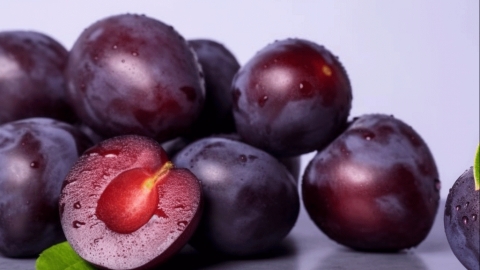
If purple-leaf plums are planted in formal orchards or home courtyards and have not been exposed to industrial pollutants or pesticide residues during growth, the fruits, once matured and characterized by a deep purple color and soft flesh, may be consumed in small amounts to appreciate their flavor, as they contain certain amounts of water and vitamins. However, attention should be paid to their ripeness. Unripe fruits often have a sour and astringent taste that may irritate the mouth and gastrointestinal tract, causing discomfort. Consumption amounts should also be controlled to avoid excessive digestive burden.
If purple-leaf plums grow along roadsides, near factories, or in park greenery areas, they may absorb pollutants such as exhaust fumes and dust from the air, or have been sprayed with pesticides to control pests and diseases. Harmful residues can easily remain on the surface and inside the fruits. Wild purple-leaf plum fruits may also differ in variety, have poor taste, and lack guaranteed safety. Consumption may lead to symptoms such as nausea and abdominal pain, and may even affect health.
Before consuming purple-leaf plum fruits, ensure their growing environment is safe and wash their surface thoroughly. If gastrointestinal discomfort or other abnormal reactions occur after consumption, stop eating them immediately and seek medical attention promptly—do not delay treatment unnecessarily.


