


How long does it take for ibuprofen to take effect after taking it?
Sep 11, 2025
Source: Cainiu Health

Dr. Yang Ziqi
Introduction
Ibuprofen usually starts to take effect about 30 minutes to 1 hour after administration. The exact time may vary slightly depending on the formulation, individual absorption rate, and the severity of symptoms. The effect of ibuprofen typically lasts for 4–6 hours. If symptoms do not improve, wait an adequate interval before taking the next dose as directed, avoiding repeated doses within a short period. Also, pay attention to your body's response.
Generally, after taking ibuprofen, it usually starts to take effect within about 30 minutes to 1 hour. The exact time may vary slightly depending on the formulation, individual absorption rate, and severity of symptoms. Here is a detailed explanation:
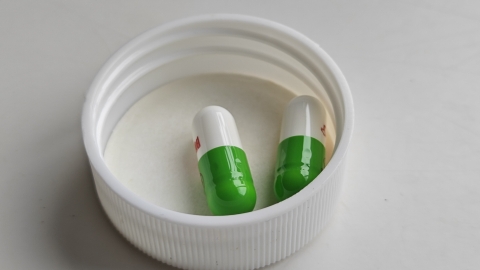
After oral administration, ibuprofen is absorbed through the gastrointestinal tract into the bloodstream, where it exerts antipyretic, analgesic, and anti-inflammatory effects. If regular tablets or capsules are taken on an empty stomach or 1-2 hours after a meal, most people will feel pain relief or a decrease in body temperature within about 30 minutes. If the suspension formulation is taken, effects may appear faster—within 20-30 minutes—as liquid formulations are absorbed more quickly.
If a large amount of greasy food was consumed before taking the medication, absorption might be delayed, and the onset of effects could take 1-1.5 hours. Additionally, the perceived onset time may vary depending on the specific symptoms: when relieving mild to moderate pain such as headaches or toothaches, the pain will gradually subside after the medication takes effect; when used to reduce fever, the effect is typically accompanied by mild sweating and a gradual decrease in body temperature.
The effects of ibuprofen generally last 4-6 hours. If symptoms persist, the dose should be repeated after a sufficient interval, avoiding repeated doses within a short time period. It is also important to monitor any bodily reactions.





