


Which type of belching is a precursor to cancer?

Belching (eructation) refers to the audible release of gas from the stomach through the mouth and throat. The sound is typically prolonged and slow, commonly known as “burping” or “satiety burp,” and is one of the most frequent symptoms associated with various gastrointestinal disorders. However, persistent or recurrent belching over an extended period warrants medical attention. So—what type of belching might signal an early sign of cancer? Below, we address this question.
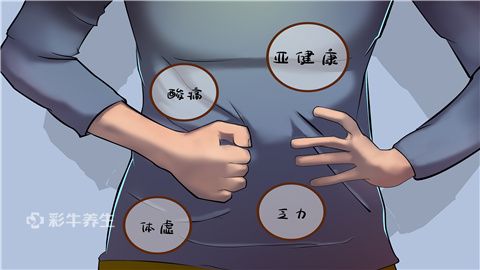
Which Type of Belching May Signal Cancer?
If a person experiences intractable hiccups—clinically termed “intractable singultus”—accompanied by recent loss of appetite, unexplained weight loss, or anemia, malignancy must be considered. Such cases are commonly associated with gastric cancer, lower esophageal cancer, or pulmonary tumors. These cancers may impair digestive function during tumor growth, thereby triggering persistent hiccups. Patients are strongly advised to seek prompt evaluation at a reputable medical institution and consult qualified specialists for standardized diagnostic workup to determine whether malignant lesions are present.

Knowledge Extension: How to Stop Belching
1. Massage
Massage can provide rapid relief from hiccups. Specifically, press one finger firmly onto the center of the opposite palm. If hiccups do not cease immediately, repeat the pressure several times—this often effectively terminates the episode.
2. Drinking Water
Drinking water is a widely used method for quickly stopping hiccups. However, in daily practice, many people simply drink water without performing complementary maneuvers—an approach that is suboptimal. For best results, after drinking water, bend forward at the waist to a 90-degree angle; this posture often stops hiccups within a short time.

The above outlines which types of belching may serve as potential early warning signs of cancer. We hope this information proves helpful to you.


