


Are introverted people more prone to depression?

Introversion itself is not a direct cause of depression. People who are simply introverted do not need to worry excessively. However, if introverted individuals consistently suppress their emotions or experience significant social pressure, their risk of developing depression may increase. There is no inevitable connection between introversion and depression; the key lies in emotional expression and psychological self-regulation.
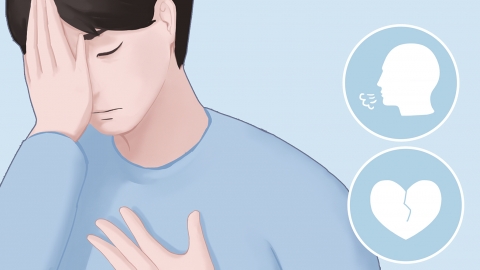
Merely being introverted often means one enjoys solitude, draws energy from quiet environments, and possesses thoughtful, reflective thinking patterns. As long as such individuals can normally express their needs, manage their emotions, and maintain inner stability, they typically do not develop depression—in fact, they may excel in areas suited to their strengths. However, if introverted people continually bottle up negative emotions, avoid necessary social interactions (leading to intensified feelings of loneliness), or face misunderstandings and stress due to their personality traits without seeking help, their psychological burden may gradually increase. Over time, this can impair emotional regulation and potentially lead to symptoms associated with depression, such as persistent low mood and loss of interest.
In daily life, introverted individuals can release emotions through methods that suit them, such as journaling or physical exercise, and should actively maintain one or two close relationships to gain emotional support. Learning to express personal needs appropriately and consciously engaging in light social activities or cultivating hobbies when feeling down can effectively support mental well-being.


