


Can extroverted people get depression?

Generally speaking, whether extroverted individuals can develop depression depends on a comprehensive assessment of their internal psychological state and external influencing factors. A detailed analysis is as follows:
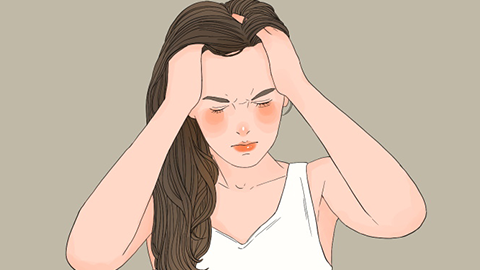
Extroverted individuals are not immune to emotional lows. If they endure prolonged stress, experience interpersonal conflicts, or face significant life upheavals, and if their negative emotions are not promptly addressed, they may become overwhelmed by feelings of sadness—even if they usually appear optimistic. This can gradually lead to reduced interest, disrupted sleep and appetite, and other symptoms associated with depression.
However, if an extroverted person has strong emotional self-regulation skills, actively shares their concerns, manages stress effectively, and is surrounded by a supportive environment—including consistent companionship from family and friends and positive feedback—negative emotions can dissipate in time, reducing the risk of being trapped in depressive states and helping maintain a consistently positive mental outlook.
To protect mental health, maintain open and honest communication with people around you and share your inner feelings to prevent emotional buildup. Stick to a regular daily routine and incorporate moderate physical activity to keep both body and mind energized. Engage deeply in activities you enjoy to derive pleasure from your interests, while avoiding situations and relationships that excessively drain your energy, thus creating a gentle protective barrier for your psychological well-being.


