


Can you drink soy milk when you have diarrhea?

Soy milk is a common beverage in daily life, rich in plant-based protein and phospholipids, and also contains vitamins B1, B2, and niacin. Additionally, it provides essential minerals such as iron and calcium—particularly calcium—which makes it suitable for people of all ages.
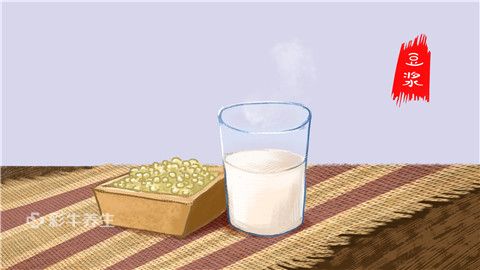
Can you drink soy milk when experiencing diarrhea?
Generally speaking, drinking soy milk is not recommended during episodes of diarrhea. Soy milk is considered a “cold” food in traditional Chinese medicine; consuming it while suffering from diarrhea may exacerbate symptoms. Moreover, soy milk contains plant-based proteins and vitamins; if consumed raw or insufficiently cooked, it may further aggravate diarrhea. In addition, soy milk can produce excessive intestinal gas, leading to abdominal distension and potentially worsening gastrointestinal discomfort. Therefore, soy milk should be avoided during diarrhea. Instead, opt for easily digestible foods such as congee made from millet or plain noodles. Oral administration of lactobacillus preparations may also be beneficial. Furthermore, maintaining warmth and avoiding exposure to cold is advised to support recovery.

Knowledge Extension: Potential Risks of Long-Term Soy Milk Consumption
1. Risk of Breast Hyperplasia
Consuming approximately two 200-mL servings of soy milk daily may replace roughly 10% of the body’s endogenous estrogen production. This exogenous phytoestrogen may stimulate the endometrium and mammary glands, potentially contributing to hyperplasia. Women with pre-existing breast hyperplasia or uterine fibroids should therefore limit their intake of soy-based foods.
2. Induction of Fatigue and Lethargy
Soybeans—the primary ingredient in soy milk—are high in purines and classified as a “cold” food. Individuals with hyperuricemia or gout should avoid soy milk, as it may trigger symptoms such as fatigue, general weakness, and mental lethargy. Similarly, individuals with a constitutionally “deficient-cold” pattern should also refrain from consuming soy milk. Additionally, oxalates in soy milk may bind with calcium in the kidneys, increasing the risk of kidney stone formation.

3. Increased Renal Burden
Soy milk is rich in protein. However, patients with chronic kidney disease must strictly limit their daily protein intake. Animal-derived proteins are generally preferred over plant-based proteins like those in soy milk. Consuming soy milk in addition to a regular diet may thus impose additional strain on already compromised kidney function.
The above outlines whether soy milk is appropriate during diarrhea. We hope this information proves helpful.


