


What are the symptoms of allergic tonsillitis?

Allergic tonsillitis is generally an inflammation of the tonsils triggered by allergens. Its main symptoms include throat itching, tonsil enlargement, irritative cough, swallowing discomfort, and accompanying nasal symptoms. A detailed analysis is as follows:
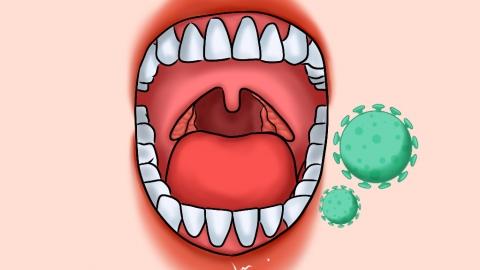
1. Throat Itching: This is a typical symptom of allergic tonsillitis, characterized by persistent itching in the throat area. Patients often feel compelled to clear their throat or have a mild cough to relieve the discomfort. The itching significantly worsens after exposure to allergens such as pollen or dust mites and may be particularly prominent at night or in the early morning when allergen concentrations in the environment are higher.
2. Tonsil Enlargement: Inflammatory stimulation causes the tonsils to become congested and swollen. Visibly, the tonsils appear enlarged in the back of the throat, and in severe cases, they may partially obstruct the pharyngeal cavity. Enlarged tonsils can create a sensation of blockage or fullness in the throat, and the patient’s voice may sound slightly muffled during speech.
3. Irritative Cough: Throat itching and tonsil irritation can trigger paroxysmal, dry, irritative coughing. The cough typically produces no significant sputum or only small amounts of white黏液 (mucus). It is often provoked by inhaling cold air or dust, and severe coughing episodes may further aggravate throat discomfort.
4. Swallowing Discomfort: Enlarged tonsils may compress the pharyngeal space, or inflamed and hypersensitive pharyngeal mucosa may cause difficulty or discomfort during swallowing, sometimes accompanied by mild pricking pain. The discomfort tends to be more noticeable when eating solid foods, leading some patients to slow down their eating pace.
5. Accompanying Nasal Symptoms: Allergic reactions commonly affect the respiratory tract, so patients frequently experience nasal symptoms such as sneezing, runny nose with clear discharge, and nasal congestion. Some individuals may also have itchy noses. These symptoms often occur simultaneously with tonsillar discomfort and tend to cluster upon exposure to allergens.
It is recommended that patients identify their specific allergens and avoid them as much as possible. Maintain indoor cleanliness and ventilation to reduce accumulation of dust and pollen. Regularly gargling with warm saline solution can help clean the throat. A light diet avoiding spicy and irritating foods is advised, along with regular exercise to strengthen respiratory immunity.


