


Why is there still pus after the pus core of a boil has been removed?

Generally, after the pus head of a boil is removed, there may still be pus discharge, which could be caused by residual pus in the abscess cavity, poor drainage, incomplete maturation of the boil, cellulitis, or hidradenitis suppurativa. If symptoms persist, it is recommended to seek timely medical attention at a正规 hospital. Specific causes are analyzed as follows:
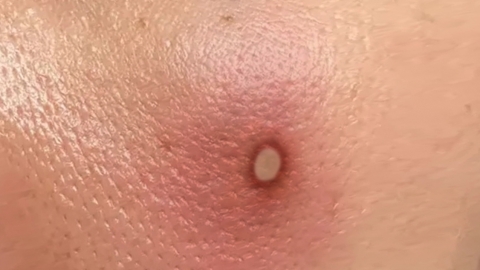
1. Residual pus in the abscess cavity
The pus head is merely the outlet where pus accumulates; residual pus may still remain deep within the abscess cavity and has not been fully drained. The wound should be flushed with sterile normal saline, and gentle pressure applied around the area using sterile gauze to promote further pus drainage. Keep the wound dry and clean.
2. Poor drainage
After removal of the pus head, the wound may close too quickly, preventing internal pus from draining properly. Sterile scissors can be used to slightly enlarge the opening, and a sterile drain strip should be placed inside. The drain strip should be replaced daily to prevent premature wound closure.
3. Incomplete maturation of the boil
If the pus head is removed prematurely, bacteria within the lesion may not have been completely eliminated, leading to ongoing pus production. Topical antibiotics such as mupirocin ointment or fusidic acid cream may be used as directed by a physician, along with oral cefradine capsules. Avoid squeezing the affected area and wait until inflammation becomes localized before further intervention.
4. Cellulitis
Bacterial infection spreads into the subcutaneous fat tissue, causing expanded inflammation and continuous pus formation. Treatment under medical supervision may include oral penicillin V potassium tablets, clindamycin capsules, or levofloxacin tablets. Locally, apply warm compresses with 50% magnesium sulfate solution.
5. Hidradenitis suppurativa
Obstruction of sweat gland ducts leads to secondary infection and formation of deep abscesses. Simply removing the pus head cannot achieve a complete cure. Oral minocycline capsules or doxycycline tablets may be prescribed, along with topical clindamycin gel. In severe cases, incision and drainage surgery may be required, followed by regular wound dressing changes postoperatively.
In daily life, maintain good skin hygiene and avoid skin injuries. Dry off promptly after sweating and wear loose, breathable clothing. Follow a light diet and avoid spicy or irritating foods. Seek medical care promptly if signs of infection appear, and do not attempt self-treatment.


