


What should I do if my hands are allergic, peeling, and cracking?

Generally, peeling and cracking of the skin on the hands due to allergy may be caused by dry environment, exposure to irritants, contact dermatitis, dyshidrotic eczema (sweat blisters), or eczema. It is recommended to seek medical attention promptly, identify the underlying cause, and follow a doctor's guidance for improvement through general management, medication, or other treatments. A detailed analysis is as follows:
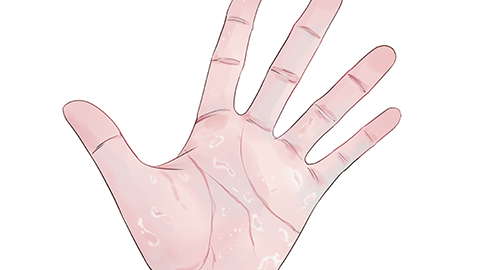
1. Dry environment: During autumn and winter, low humidity causes rapid moisture loss from the skin on the hands, damaging the skin barrier and leading to allergic reactions such as peeling and cracking. After washing hands with lukewarm water each day, apply medical-grade petroleum jelly immediately. Use a humidifier indoors to maintain humidity levels between 40% and 60%, reducing skin moisture evaporation.
2. Exposure to irritants: Frequent contact with chemical substances such as detergents and disinfectants can damage the skin barrier on the hands and trigger allergic reactions. Wear waterproof gloves when doing household chores to avoid direct skin contact with irritants, and choose mild cleaning products that are phosphate-free and fragrance-free.
3. Contact dermatitis: Redness, peeling, and cracking may occur on the hands after contact with allergens such as metal jewelry or cosmetics. Immediately remove exposure to the allergen, rinse off any residue with clean water, and take antiallergic medications such as cetirizine hydrochloride tablets, loratadine capsules, or ebastine tablets as directed by a physician.
4. Dyshidrotic eczema (sweat blisters): This condition may be triggered by excessive sweating of the hands and feet or mental stress, causing blisters that lead to peeling and cracking once dried. Patients may use calamine lotion, desonide cream, or mometasone furoate cream under medical guidance, keep hands dry, and avoid excessive mental stress.
5. Eczema: Chronic hand inflammation caused by genetic or immune factors, characterized by recurring peeling, cracking, and itching. Patients should use medications such as hydrocortisone butyrate cream, tacrolimus ointment, or pimecrolimus cream as prescribed. In severe cases, ultraviolet light therapy may be used to help reduce inflammation.
In daily life, avoid manually peeling or tearing flaking skin to prevent breaks in the skin and potential infection. Eat more foods rich in vitamin A, such as carrots and animal liver, to support the repair of skin and mucous membranes. Reduce hand friction and wear loose, breathable cotton gloves to protect the hands.


